


Ivanhoe Mines achieves breakthrough in Platreef polymetallic complex discovery
Published October 09 - 2025
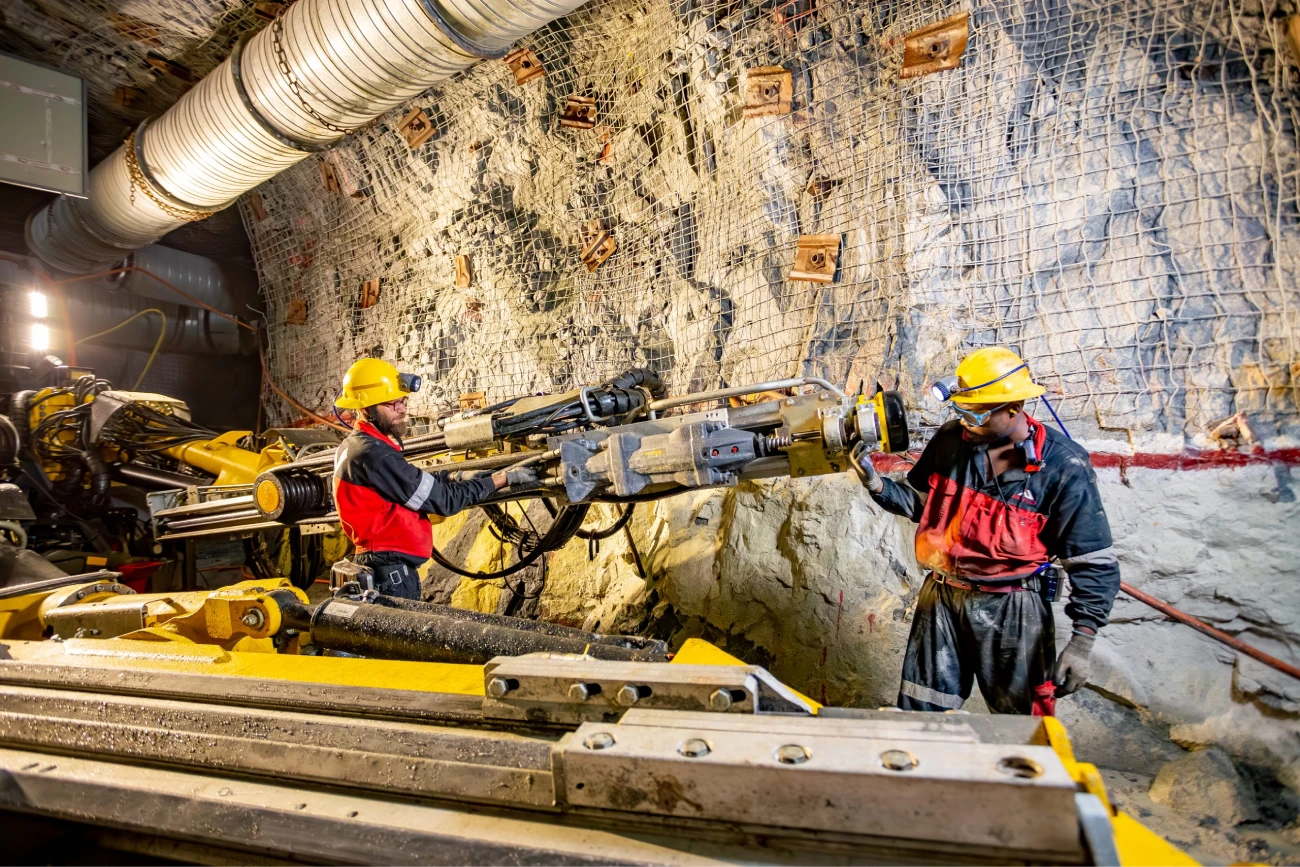
Platreef. Image: Ivanhoe Mines
Ivanhoe Mines, a Canadian mining and exploration company known for several high-profile discoveries, has driven underground development into the high-grade Platreef orebody for the first time. The company’s Executive Co-Chair Robert Friedland and President and Chief Executive Officer Marna Cloete detailed the breakthrough, with mining crews entering the orebody at the 850-metre level with the first blast of high-grade ore in early May. This announcement comes in advance of commercial production, which is slated to begin later this year.
Ivanplats, a subsidiary of the company, first acquired an exploration license 30 years ago, making the initial discovery of the 26-metre-thick Platreef orebody 15 years later. The sinking of Shaft 1 was initiated in 2016, and it reached a depth of 996 metres in 2021. In the period since, 5.5 kilometres of tunnelling has been constructed at three levels: 750, 850 and 950 metres. The latest news comes in the immediate aftermath of the Phase 2 and Phase 3 technical studies, which were carried out earlier this year.
The Platreef Project is located around 280 kilometres northeast of Johannesburg, in close proximity to Mokopane, a town in South Africa’s Limpopo Province. The deposit itself is formed on the Northern Limb of the Bushveld Igneous Complex, the largest layered igneous intrusion within the earth’s crust.
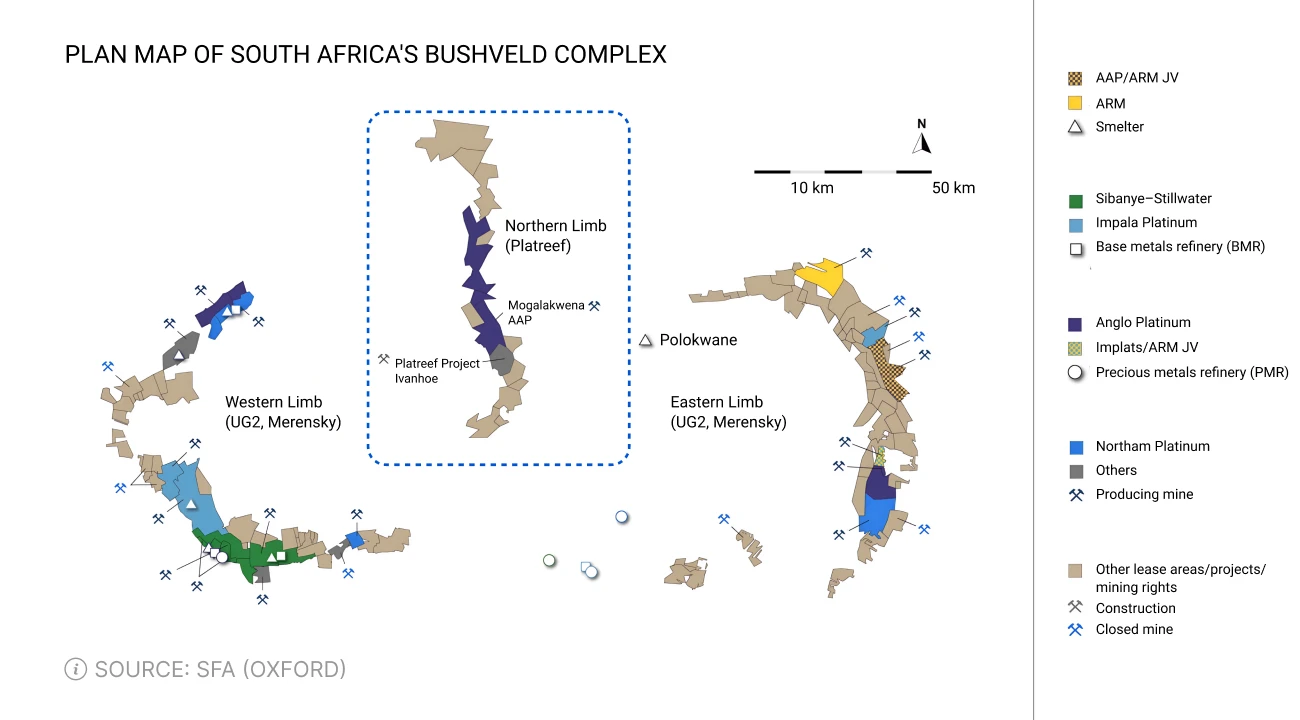
Platreef has a unique polymetallic orebody, characterized by its thickness, high grade and flat-lying orientation, and is set to produce platinum, palladium, rhodium, nickel, gold and copper. There are 93 million ounces in Indicated Platinum Equivalent Mineral Resources of platinum, palladium, rhodium and gold at 1.0 g/t cut off, and 144 million ounces in Inferred Platinum Equivalent Mineral Resources.
Friedland commented that the latest breakthrough “represents the culmination of over 30 years of relentless dedication by thousands of our talented and hardworking people… Their efforts have spanned decades, from the early stages of discovery to meticulous delineation, permitting, engineering… and now the construction of this world-class polymetallic mining complex that will benefit humanity for generations.”
Phase 1 production is likely to get underway in Q4, with ore to be hoisted to the Phase 1 concentrator at the surface by Shaft 1 – currently the only access to the three underground mining levels, which are located at 750, 850 and 950 metres below ground. Construction is ongoing on Shaft 2, which will become Africa’s largest hoisting shaft when its diameter is expanded to 10 metres in early 2026. The second shaft is designed to provide for over 12 million tonnes per annum in overall hoisting capacity. Ivanhoe Mines has set its sights on mechanized bulk mining methods, which are safe and highly productive, achieving superior economies of scale.
Ivanhoe Mines held an initial IPO in 2012, and is registered on the Toronto Stock Exchange (TSX: IVN) and the US-based OTCQX market (IVPAF). It holds a 64% operating interest in the mine through Ivanplats, while 10% is owned by Japan-based ITOCHU Corporation. The remaining 26% belongs to the B-BBEE Partners (broad-based, black economic empowerment partners) consortium, which represents 150,000 local residents living across 20 communities in South Africa, along with employees working at the project and local entrepreneurs. Ivanhoe is also focused on several other projects in Southern Africa, including the Kamoa-Kakula Copper Complex and the ultra-high-grade Kipushi Zinc Mine, both of which are located in the DRC.
Source: ivanhoemines.com
Recent News
September 24 - 2025
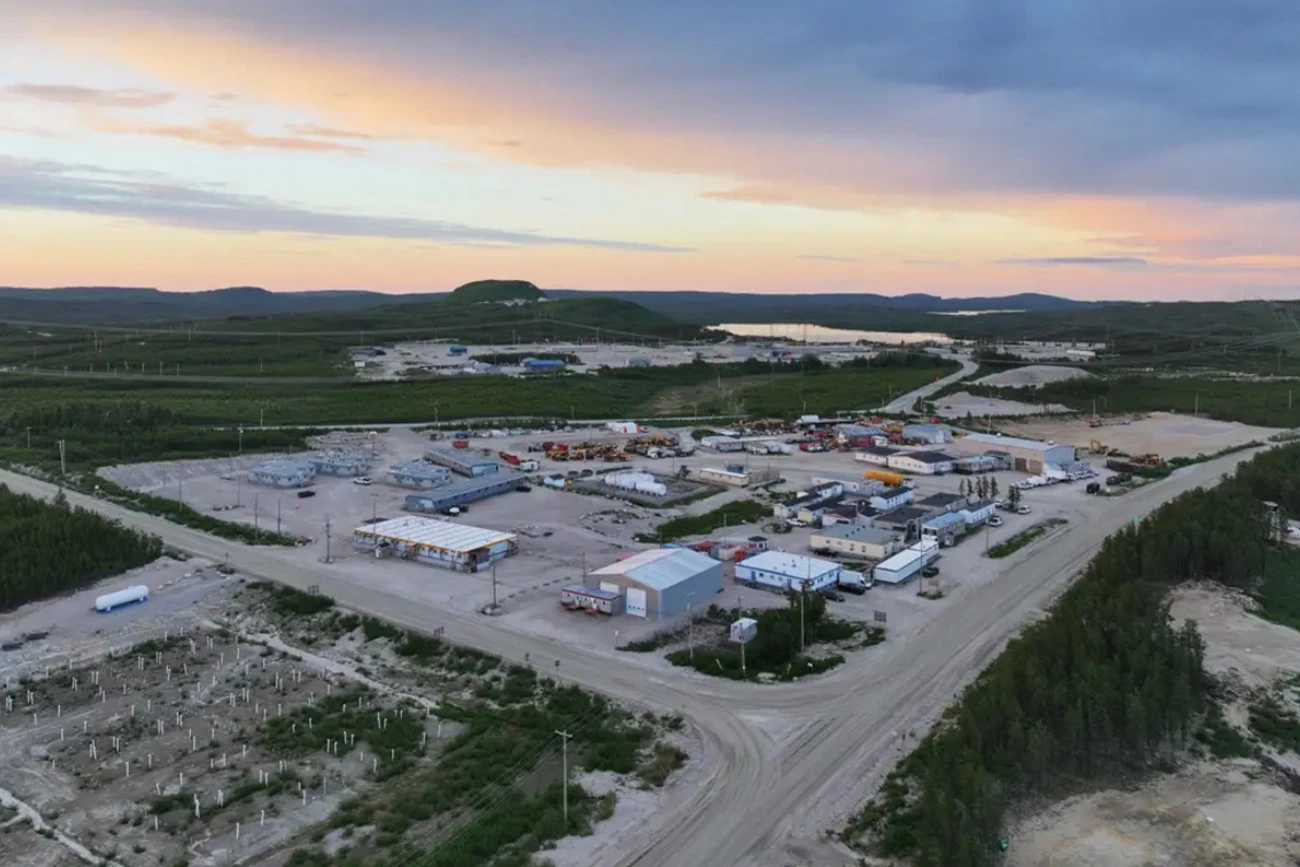
Canadian exploration company Power Metallic has reported results from its deepest intersection to date at the Lion Zone, carried out in the wake of successful exploration activities last year. The 2024 discovery of the zone, 5.5 kilometres away from the Nisk Main Zone, has shifted the company’s focus towards what could prove a game-changing discovery.
September 05 - 2025
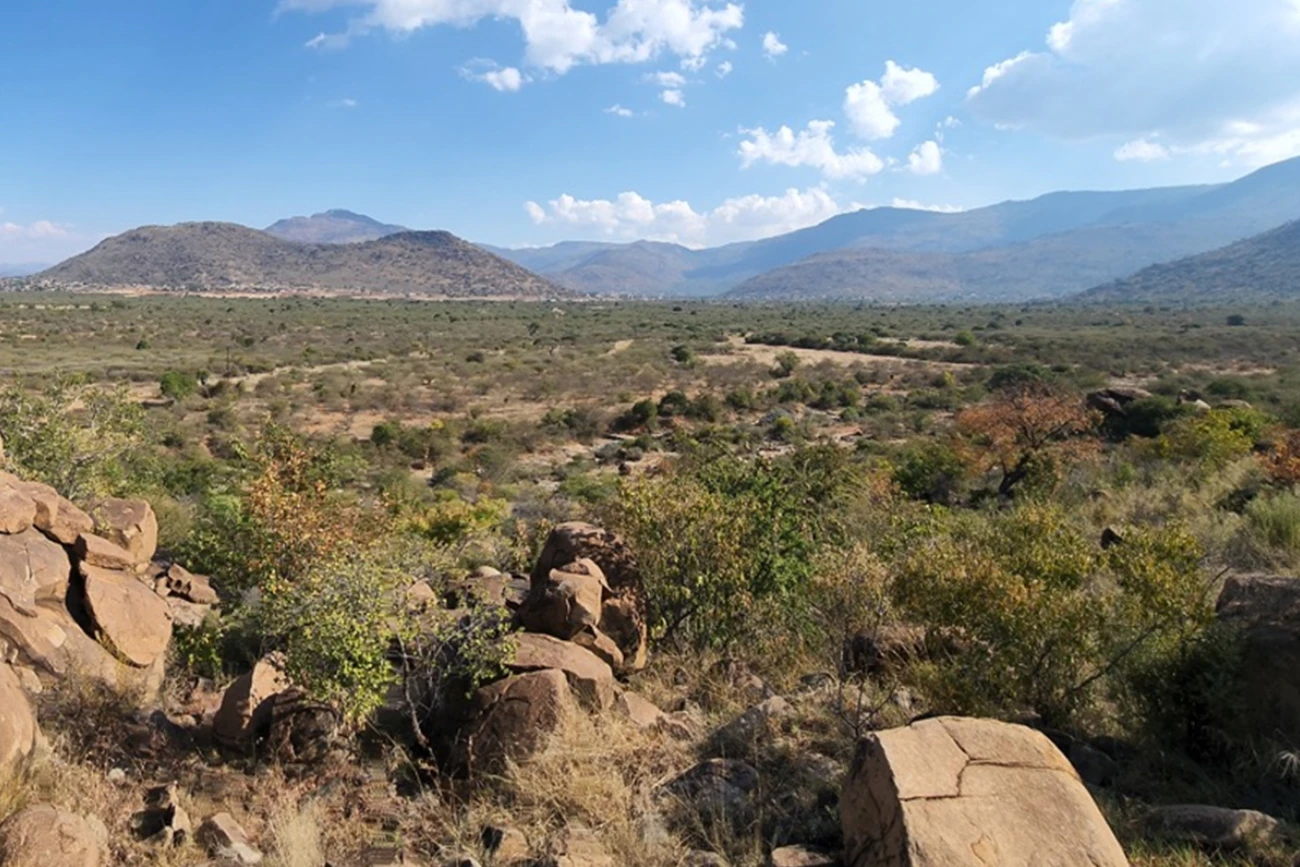
Australian mining company Southern Palladium has received an environmental authorization (EA) on its flagship Tier 1 Bengwenyama project from South Africa’s Department of Mineral and Petroleum Resources (DMPR). The license outlines rights on underground mining and related infrastructural activities on the project, marking a key milestone towards development.

August 25 - 2025
A study from a team of chemists working at McGill University in Montreal, Canada has proposed a new method for synthesising palladium catalysts using electrochemical potential, supporting both oxidative addition and reductive elimination with two-electron exchange in mild temperature and pressure conditions.

August 05 - 2025
A team of functional materials researchers in China developed a copper–palladium catalyst that has been shown to improve catalytic activity and selectivity in the electrochemical nitrate reduction reaction (NO3RR), leading to improved ammonia yields. Scaling this process could significantly reduce the energy and environmental burden of the ammonia industry as a whole.

July 21 - 2025
Zhe Gong et al. from the China University of Geosciences and Zhiping Deng and Xiaolei Wang from the University of Alberta (Canada) have developed a highly efficient palladium catalyst that could support the large-scale rollout of hydrogen fuel cells. The catalyst was designed by doping palladium with cobalt producing atomic cobalt (Co)-doped Pd metallene (Co-Pdene), and demonstrated exceptional electrocatalytic performance while maintaining its structural integrity.

July 11 - 2025
A team of researchers at the University of Milan has developed a new method to speed up the hydrogenation and dehydrogenation of magnesium nanoparticles that could significantly improve the efficiency of hydrogen storage and support easier scaling up the technology.