


News
News materials posted on the website are aggregated from authoritative third-party sources. The Palladium Institute is not responsible for information published by third-party organisations.

March 13 - 2025
Luxury goods manufacturer Cartier has shifted towards the use of palladium in a number of its recent ranges, incorporating the unique metal in everything from straps on handbags, clasps, removable mirrors to finishes on watches. The move comes at a time when palladium is making headlines around the world, with research underway on innovative applications across a wide range of industrial sectors.

March 03 - 2025
Southern Palladium has announced the completion of a Pre-Feasibility Study (PFS) on the Bengwenyama platinum group metals (PGM) project, marking the end of a successful two-year drilling exploration programme and representing a major step in the transition from exploration to mine development. The new production will deliver several critical metals in the clean energy transition, such as palladium, rhodium and platinum.

February 26 - 2025
A team of researchers at King Khalid University in Abha, Saudi Arabia has developed a promising new heterogeneous catalyst containing palladium nanoparticles. The catalyst material, known as KIT-6@L-H-Pd, has shown very high levels of efficiency and selectivity. The key functionality identified at the current stage is in two significant processes for organic chemistry: the oxidation of sulphides to sulphoxides and the amination of aryl halides.
February 15 - 2025
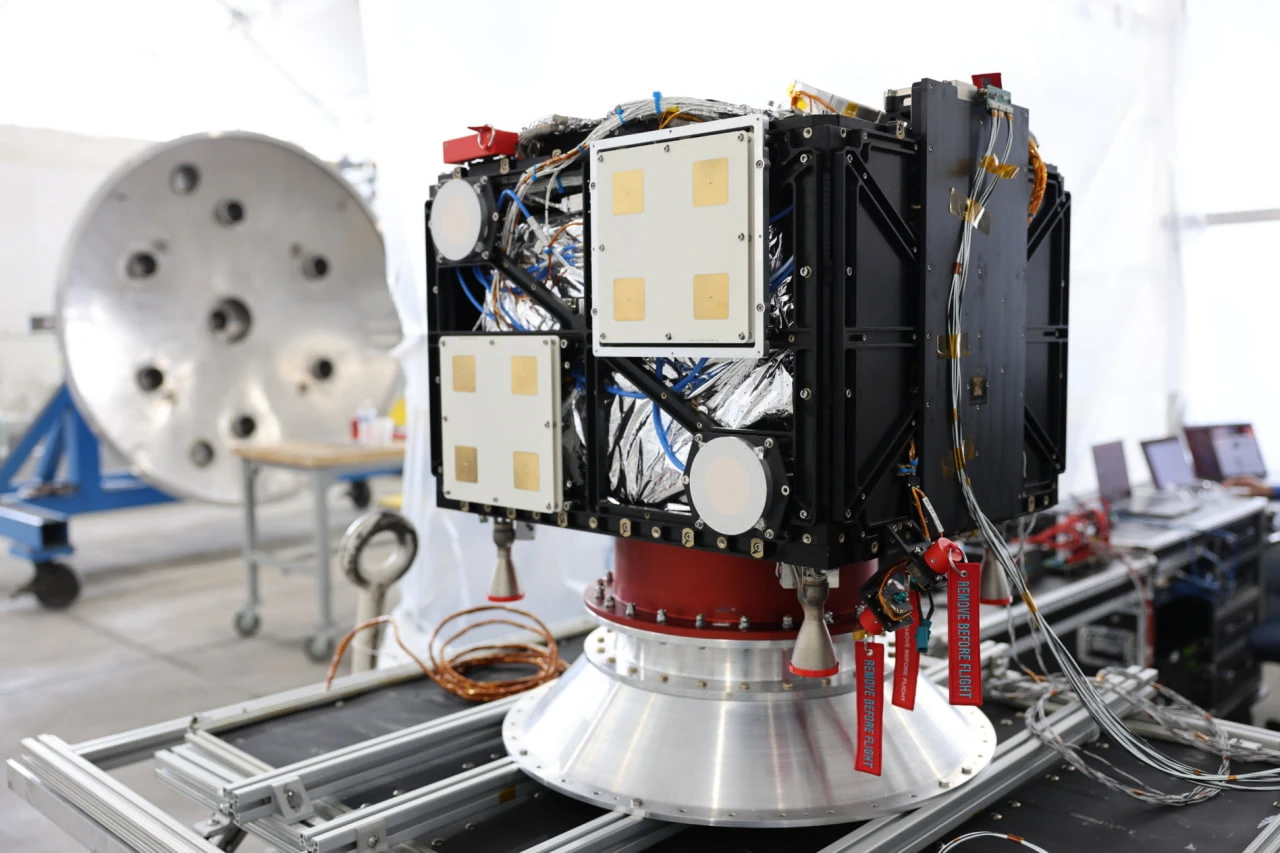
AstroForge, a space mining startup, has announced plans to embark on its first fly-by mission towards the end of February after signing a deal with space launch company Stoke Space, a producer of 100% reusable next-generation rockets. The asteroid in question to be targeted in the Brokkr-2 (Odin) mission is 2022 OB5, a small near-Earth asteroid measuring a few dozen metres across that was discovered in 2022.

January 16 - 2025
Researchers are advancing material technologies to develop an “electronic nose”—a groundbreaking device poised to transform medicine, agriculture, industry, and security. This device, capable of analysing air composition, has the potential to detect hazardous substances and biomarkers of diseases, opening new horizons in early diagnosis and environmental monitoring.
January 12 - 2025
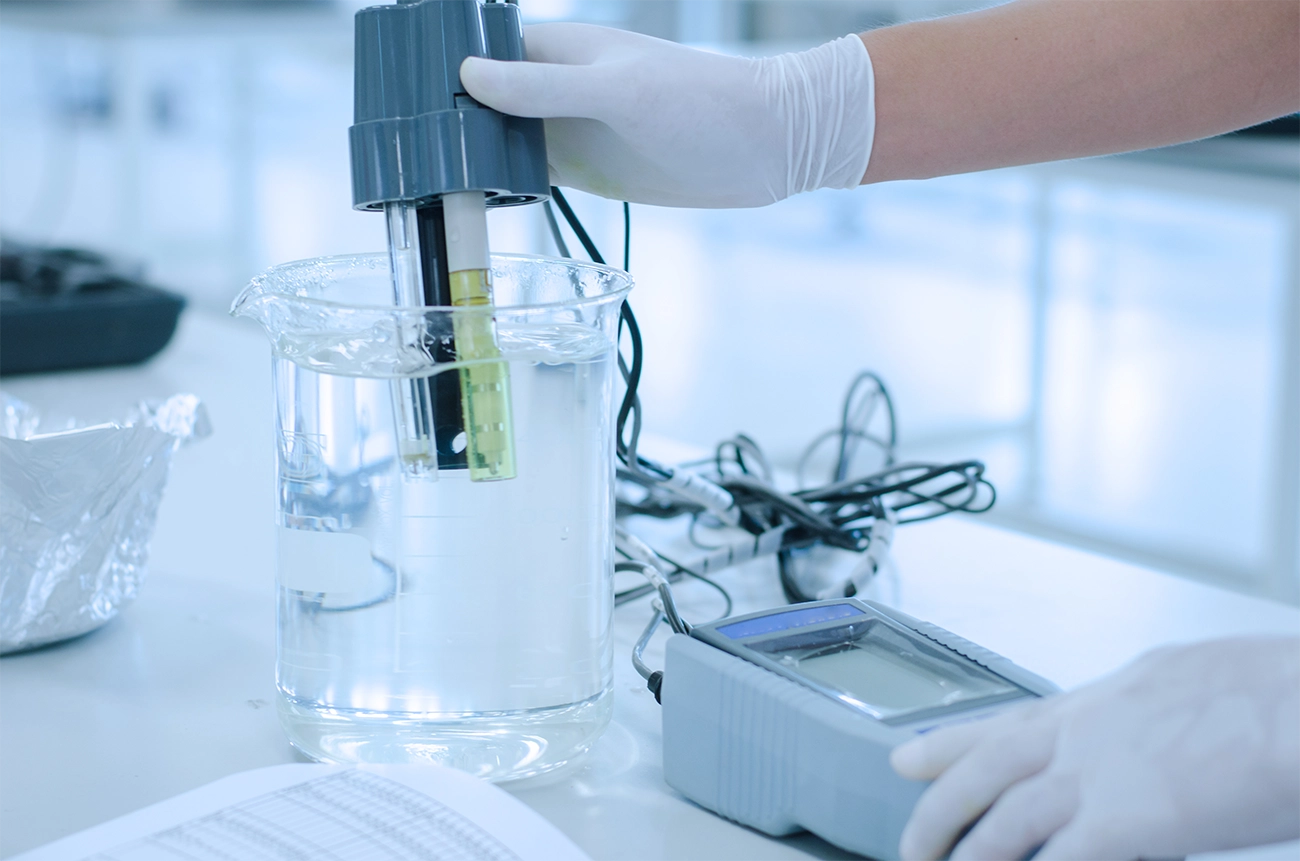
Thanks to the unique properties of palladium, scientists have, for the first time, observed the water-formation reaction at the atomic level. This breakthrough marks the beginning of refining a technology that can produce water from oxygen and hydrogen—the two most abundant substances in the universe. Once perfected and commercially implemented, this technology could address freshwater shortages in arid regions.
January 12 - 2025
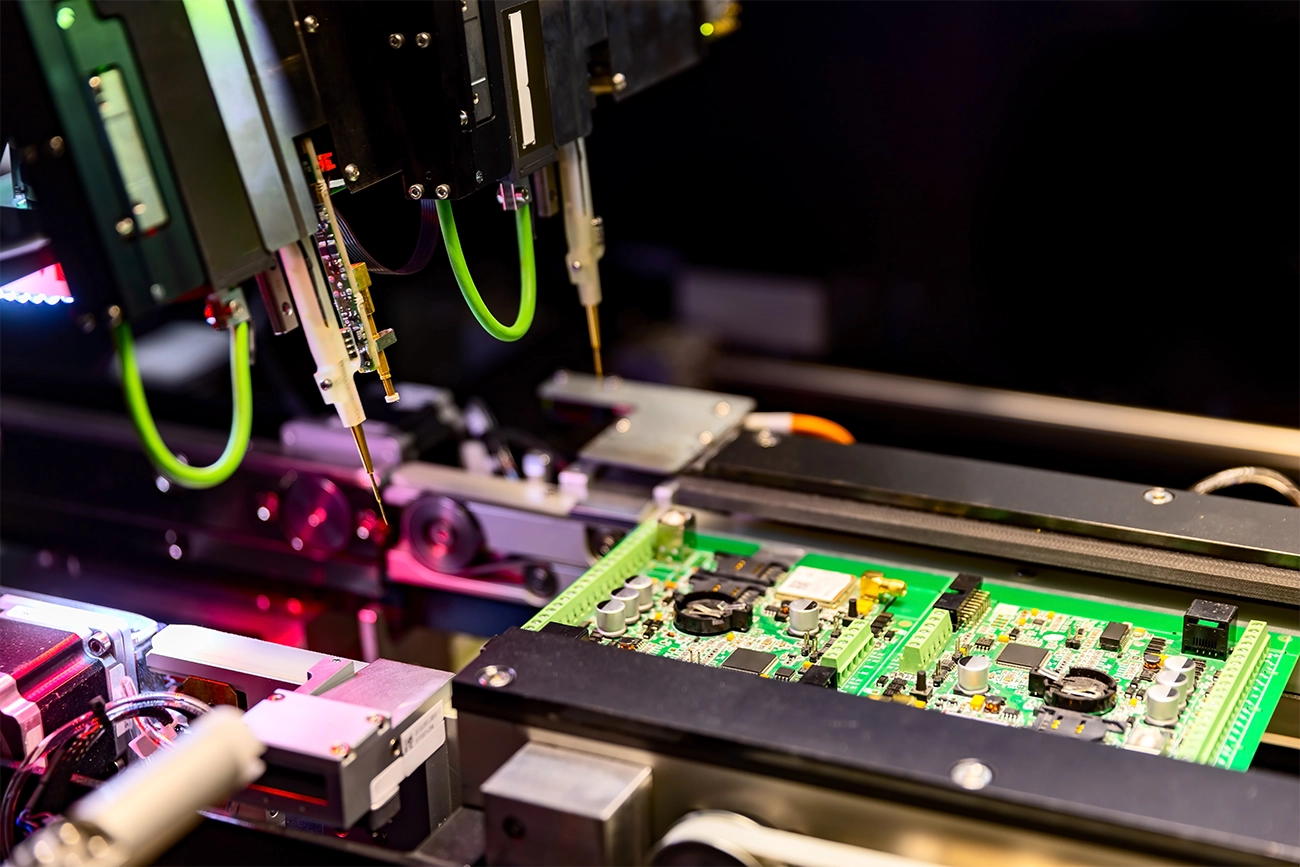
The Japanese company TANAKA has unveiled its latest innovation—TK-SK, a new palladium-based alloy designed for manufacturing probe pins (Probe Pins) used in the final stages of printed circuit board (PCB) testing.
