


Palladium Global Science Award now open for submissions
Published March 24 - 2025
The inaugural Palladium Global Science Award is now officially open for submissions. The new industry prize is looking for new research, analysis and practical developments from scientists, research teams and startups with a view to advancing development in novel palladium applications.
Palladium is a promising material in the energy transition, thanks to a number of unique physical and chemical properties. It is able to absorb up to 900 times its own volume in hydrogen, demonstrates strong catalytic activity, and is half as dense as platinum, another platinum group metal (PGM) that is often used in similar applications. The Palladium Global Science Award is looking for applications in traditional and alternative energy, metals, chemicals, nanotechnology, medicine and biotechnology, electronics and microelectronics, electrical engineering, construction technologies, environmental technologies and more.
The first call for applications opened on 6 March 2025, and submissions are being accepted until 31 July. Participation is open to scientists, experts and researchers holding positions at scientific and research institutes, universities and other specialist research organisations. The organisers have emphasised that everyone with relevant experience is eligible to participate regardless of nationality, citizenship, age or any other identity category.
The award is divided into three main nominations, all within the core framework of New Palladium Applications. These are Best Scientific Development, Best Scientific Article and Best Applied Concept. The total prize pool stands at $350,000, with $120,000 going to the first place for Best Scientific Development and $60,000 for second place, in addition to $80,000 for the Best Scientific Article and $40,000 for the second best. The Best Applied Concept will receive $50,000. All prize winners will retain any intellectual property rights over their research into novel palladium applications.
Following the close of applications, there will be a period of deliberation overseen by the Palladium Global Science Award jury, the International Expert Council. The Chair of the jury is Professor Francis Verpoort, a leading expert in organometallic chemistry, and Chair Professor at the State Key Laboratory of Advanced Technology for Material Synthesis and Processing of Wuhan University of Technology. Other jury members include Professor Kyriaki Polychronopoulou, Full Professor of Mechanical and Nuclear Engineering at the Khalifa University of Science and Technology in the UAE, Professor Dmitri Bessarabov of North-West University in South Africa, Professor Chao Chen of Tsinghua University, China’s Department of Chemistry, and Professor Dr. Lutz Ackermann, an organic and biomolecular chemistry specialist at Georg-August-Universität Göttingen, Germany.
The General Partner of the competition is the China Precious Metals Industry Committee (CPMIC), a social organisation founded as a subsidiary of the China National Resources Recycling Association. Bian Jiang, Executive Chairman of the CPMIC and President of the Precious Metals Working Committee of the China National Resources Recycling Association, commented on the award’s potential to advance palladium innovation:
“Palladium is important for the development of many sectors, including the high-tech and green industries. It is crucial to the precious metals industry, not only in terms of palladium's status as a strategic metal, but also because of the possibility of exploring new ways of using it. The creation of the Palladium Global Science Award provides a unique opportunity to support scientists and research groups working on innovations that can significantly influence the precious metals market and accelerate their adaptation into promising technologies..”
Bian Jiang, Executive Chairman of the CPMIC and President of the Precious Metals Working Committee of the China National Resources Recycling Association
Other partners include North-West University, a major research institution in South Africa, the MDX Research Center for Element Strategy at the Institute of Science Tokyo, and the Shanghai Metals Market.
New developments in palladium applications are exploring everything from water purification via electrolysis, hydrogen fuel cells for clean energy storage, transportation and output, and a new generation of high-efficiency photovoltaic solar panels. Through the Palladium Global Science Award, the organisers are hoping to build an important new link between research and the commercialisation of new developments, including through multilateral, international partnerships. In particular, the prize jury is encouraging participants to prioritise originality, scientific and technological feasibility, market potential, and readiness for practical application.
Source: https://gulfnews.com/world/applications-for-palladium-global-science-award-are-now-open-1.500057348
Recent News
October 09 - 2025
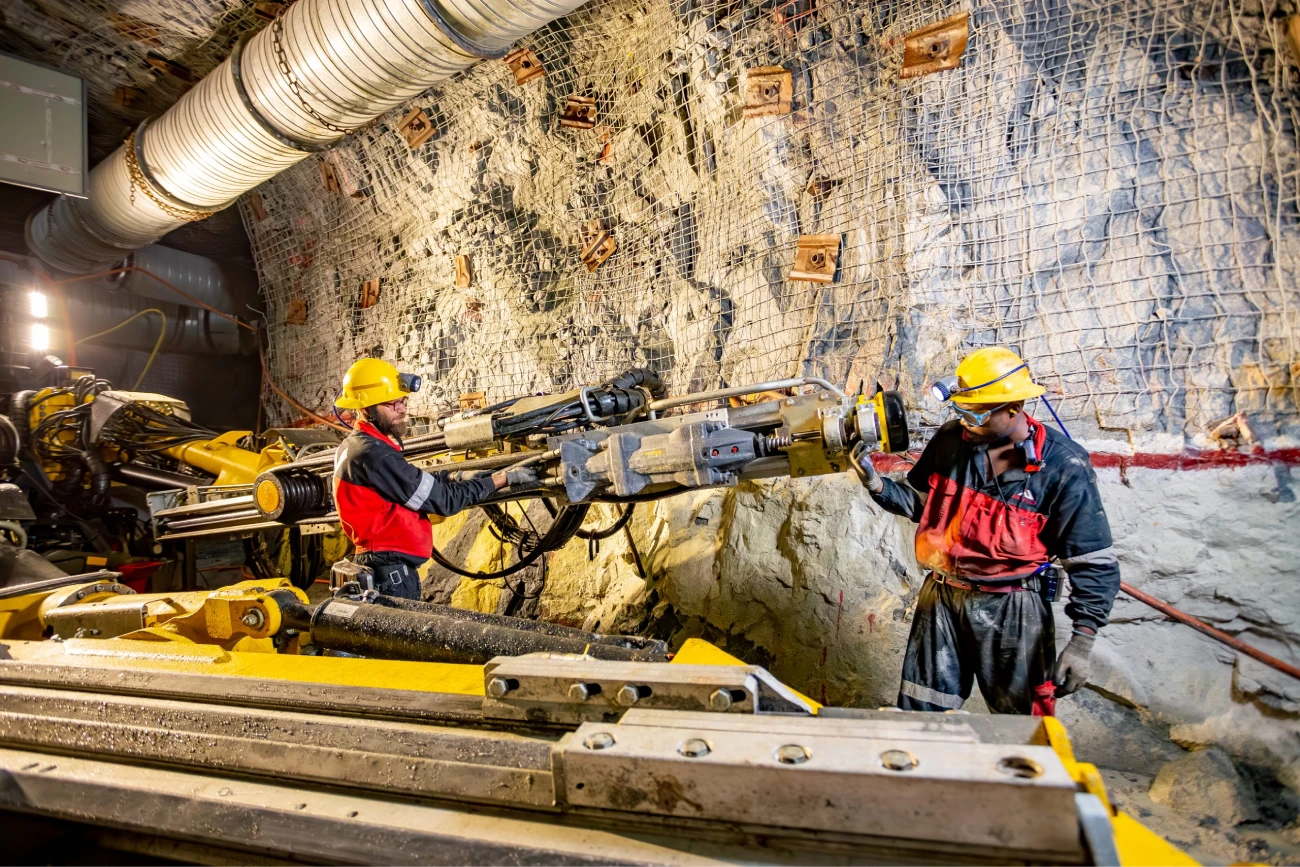
Ivanhoe Mines, a Canadian mining and exploration company known for several high-profile discoveries, has driven underground development into the high-grade Platreef orebody for the first time. The company’s Executive Co-Chair Robert Friedland and President and Chief Executive Officer Marna Cloete detailed the breakthrough, with mining crews entering the orebody at the 850-metre level with the first blast of high-grade ore in early May.

September 24 - 2025
Canadian exploration company Power Metallic has reported results from its deepest intersection to date at the Lion Zone, carried out in the wake of successful exploration activities last year. The 2024 discovery of the zone, 5.5 kilometres away from the Nisk Main Zone, has shifted the company’s focus towards what could prove a game-changing discovery.

September 05 - 2025
Australian mining company Southern Palladium has received an environmental authorization (EA) on its flagship Tier 1 Bengwenyama project from South Africa’s Department of Mineral and Petroleum Resources (DMPR). The license outlines rights on underground mining and related infrastructural activities on the project, marking a key milestone towards development.
August 25 - 2025
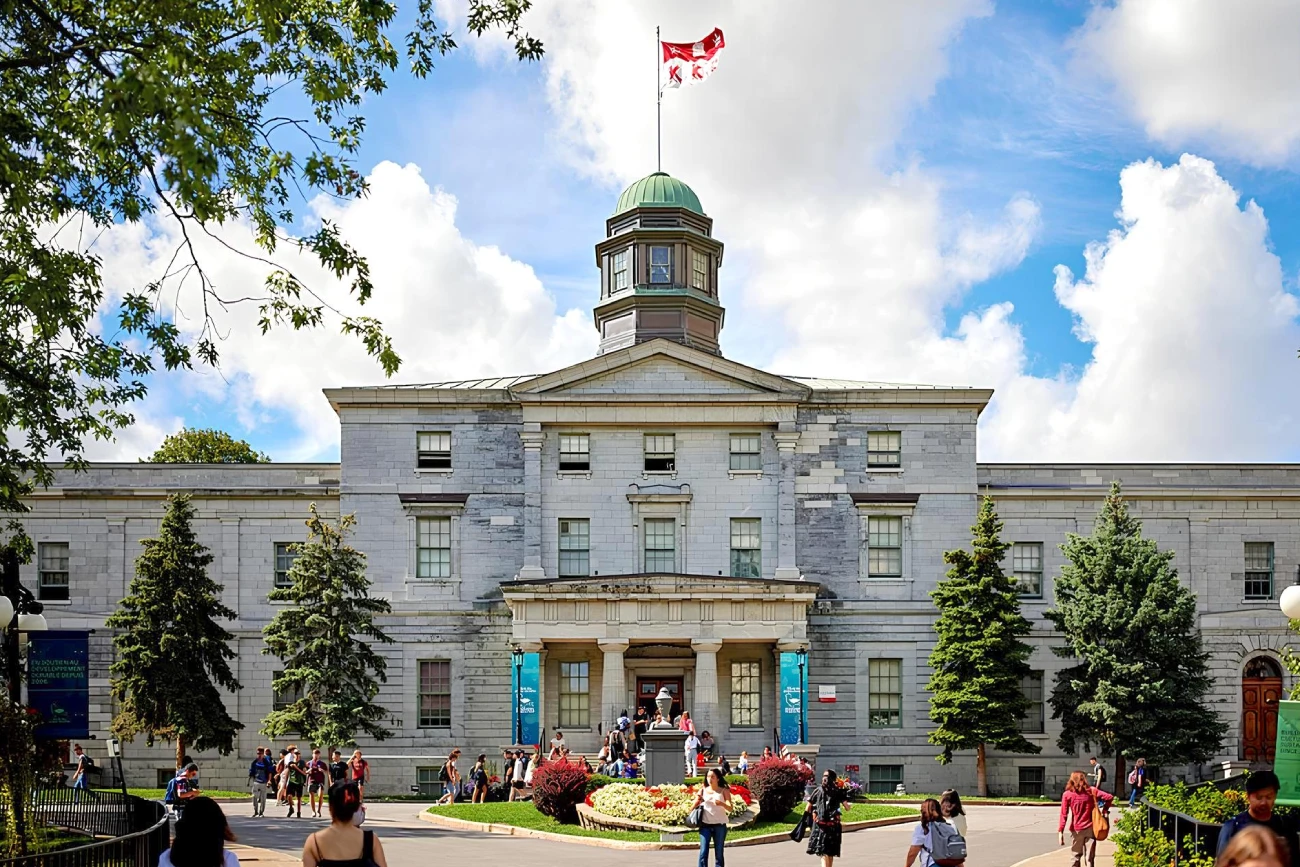
A study from a team of chemists working at McGill University in Montreal, Canada has proposed a new method for synthesising palladium catalysts using electrochemical potential, supporting both oxidative addition and reductive elimination with two-electron exchange in mild temperature and pressure conditions.
August 05 - 2025
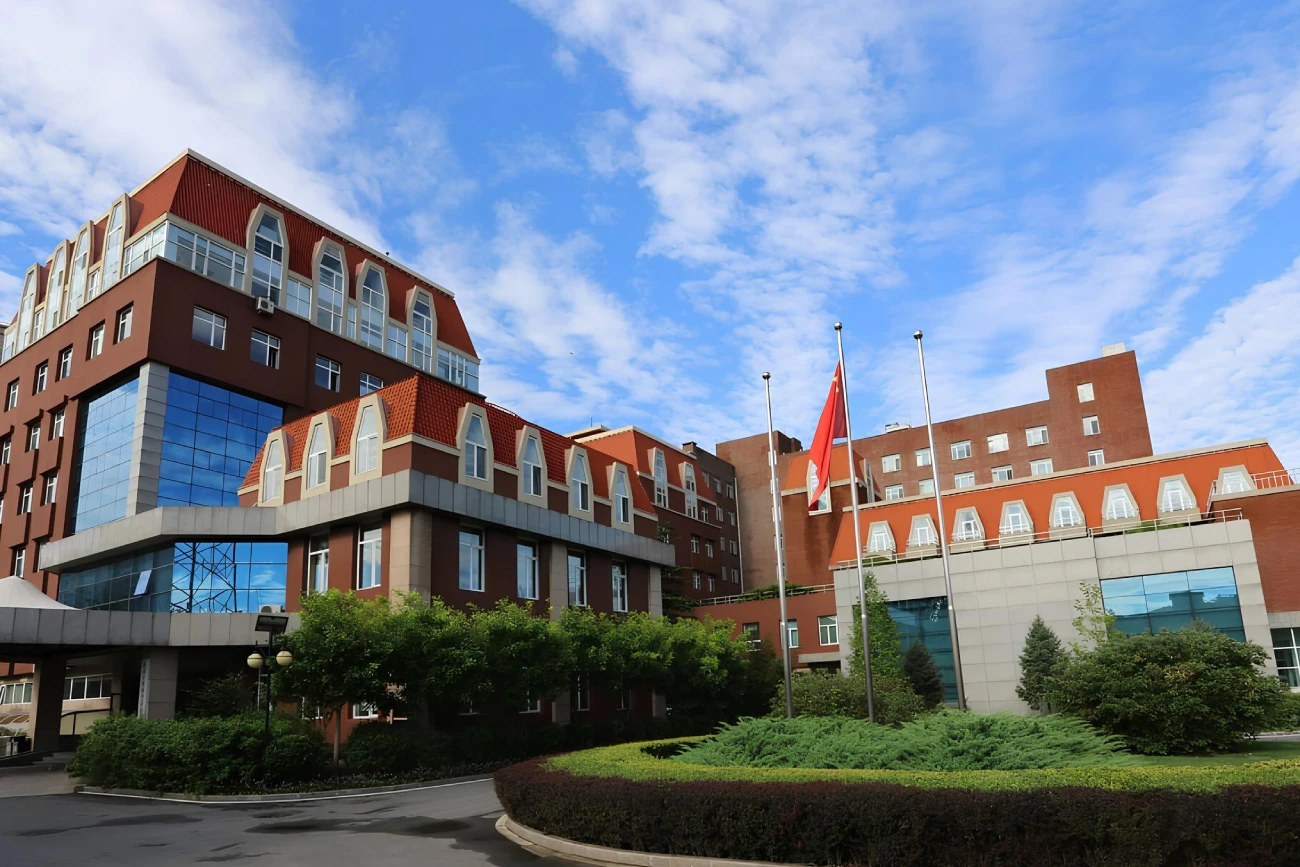
A team of functional materials researchers in China developed a copper–palladium catalyst that has been shown to improve catalytic activity and selectivity in the electrochemical nitrate reduction reaction (NO3RR), leading to improved ammonia yields. Scaling this process could significantly reduce the energy and environmental burden of the ammonia industry as a whole.
July 21 - 2025
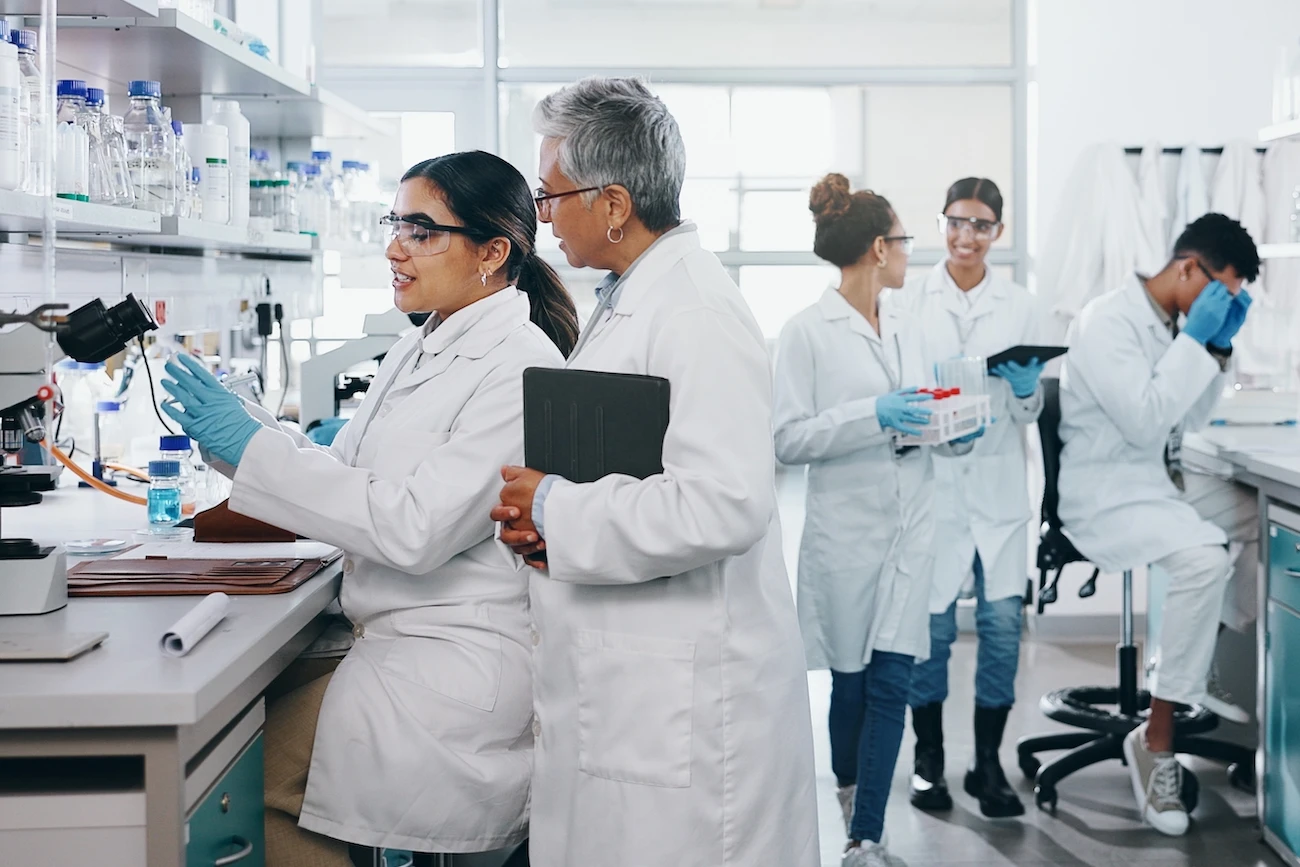
Zhe Gong et al. from the China University of Geosciences and Zhiping Deng and Xiaolei Wang from the University of Alberta (Canada) have developed a highly efficient palladium catalyst that could support the large-scale rollout of hydrogen fuel cells. The catalyst was designed by doping palladium with cobalt producing atomic cobalt (Co)-doped Pd metallene (Co-Pdene), and demonstrated exceptional electrocatalytic performance while maintaining its structural integrity.