


Home NewsSouth Africa grants environmental authorization to Southern Palladium’s landmark PGM project
NewsSouth Africa grants environmental authorization to Southern Palladium’s landmark PGM project South Africa grants environmental authorization to Southern Palladium’s landmark PGM project
Published September 05 - 2025
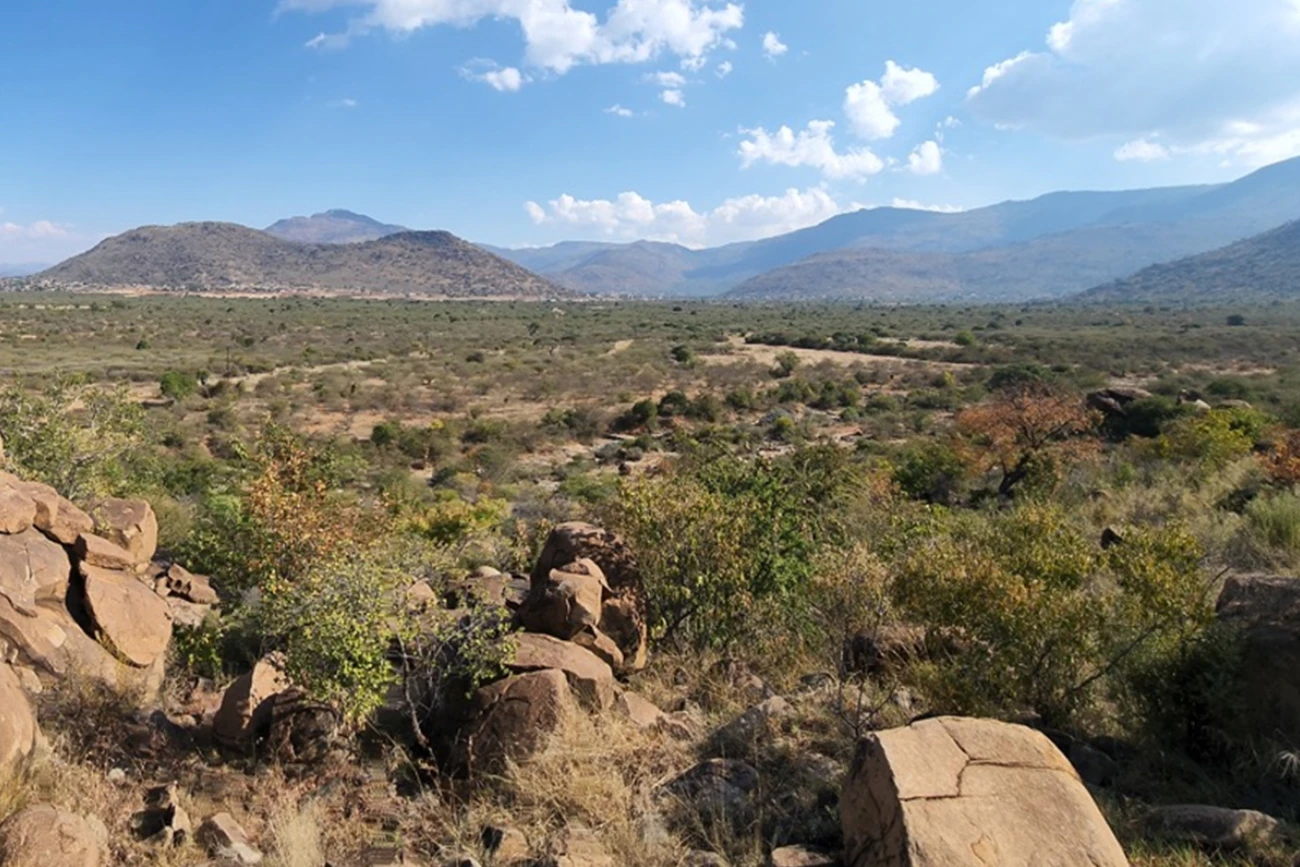
Bengwenyama project. Image: Southern Palladium Limited
Australian mining company Southern Palladium has received an environmental authorization (EA) on its flagship Tier 1 Bengwenyama project from South Africa’s Department of Mineral and Petroleum Resources (DMPR). The license outlines rights on underground mining and related infrastructural activities on the project, marking a key milestone towards development. The palladium and rhodium-dominated deposit also contains significant amounts of other platinum group metals (PGMs), gold, copper, chrome, cobalt, silver and nickel.
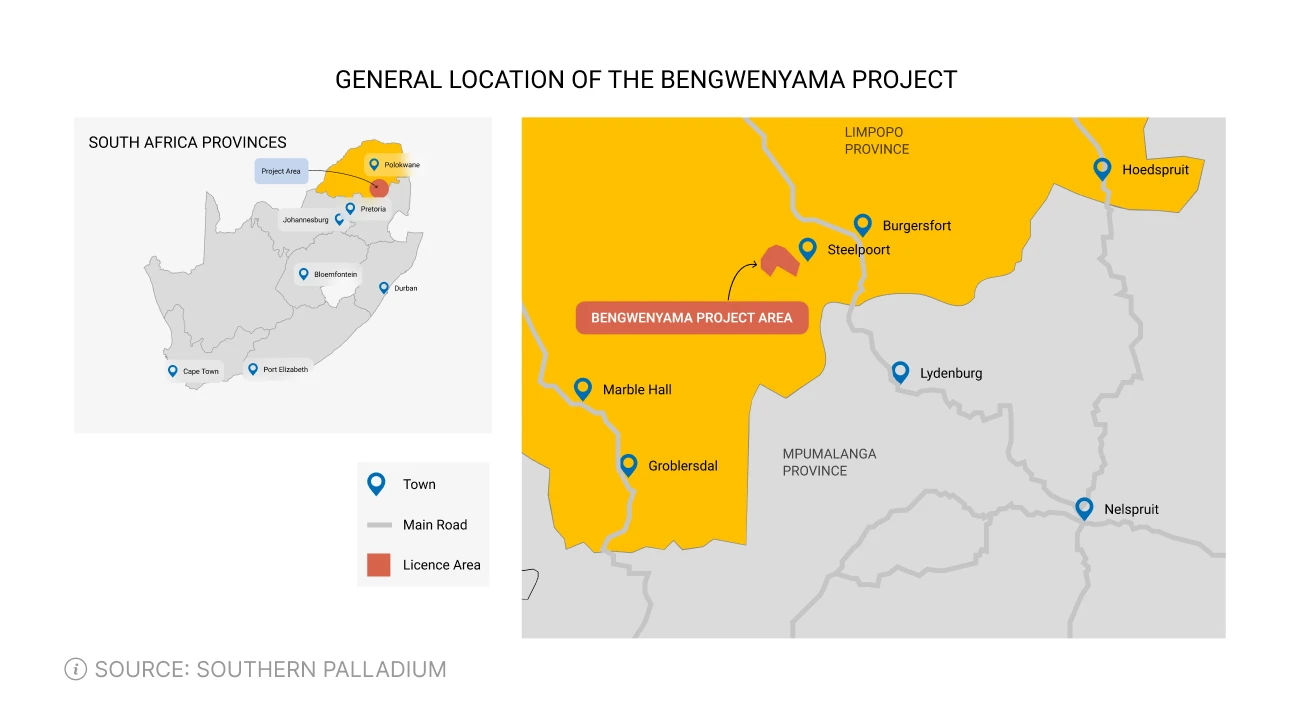
The Bengwenyama project is located on the Eastern Limb of the Bushveld Igneous Complex in South Africa, which is home to some of the richest ore deposits on earth, including 70% of all known PGM resources. A Mining Right Application was submitted in late 2023, and an Environmental Impact Assessment (EIA) was initiated in July 2024. Following this, a Pre-Feasibility Study (PFS) was completed successfully later in the year, focusing on operations at the Nooitverwacht 324 KT and Eerstegeluk 327 KT farms, which are located adjacent to each other in Limpopo Province and cover an area of 5,280 hectares.
The DMPR, in a statement accompanying the awarding of the EA, recognized the thorough investigation of potential impacts on the part of the company, as well as the clear mitigation measures outlined. No objections were recorded during the public participation phase. The company’s Managing Director Johan Odendaal spoke following the EA approval, commenting that it “paves the way for the award of the Mining Right and reflects the strength of our permitting work, including a comprehensive environmental impact assessment (EIA) and a compliant public participation process.”
According to the terms of the EA, there is now a 20-day window for registered stakeholders to lodge any objections they may have, in which case they are to be reviewed by the Minister of Forestry, Fisheries and the Environment. The project will then be on track to obtain the Mining Right and advance to the execution phase. The Stage 1 plan was recently revised, and is targeting a single decline and truck haulage aiming at 80,000 tonnes per month in production volumes, with results of the study and updated PFS-level outputs set to be announced in June. The pre-existing Stage 2 plan, which outlines production of 200,000 tonnes per month, would then be initiated once Stage 1 has successfully entered into operation.
Southern Palladium is a mining company headquartered in Sydney, Australia and listed on the Australian Securities Exchange (ASX) and the Johannesburg Stock Exchange (JSE). Specializing in PGMs, its primary holding is its 70% share in the Bengwenyama project, which it owns through Miracle Upon Miracle Investments (MUM).
Source: miningweekly.com
Recent News
October 09 - 2025
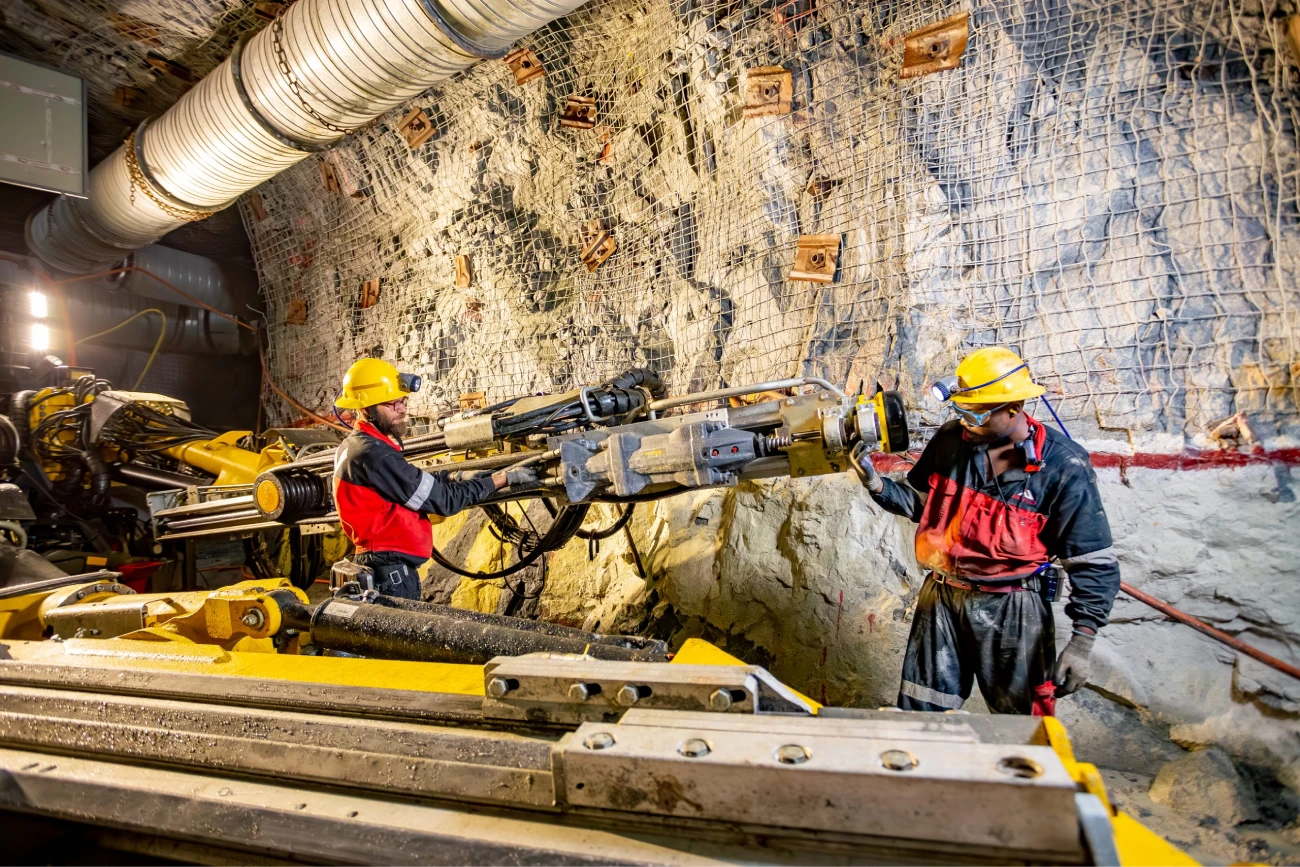
Ivanhoe Mines, a Canadian mining and exploration company known for several high-profile discoveries, has driven underground development into the high-grade Platreef orebody for the first time. The company’s Executive Co-Chair Robert Friedland and President and Chief Executive Officer Marna Cloete detailed the breakthrough, with mining crews entering the orebody at the 850-metre level with the first blast of high-grade ore in early May.
September 24 - 2025
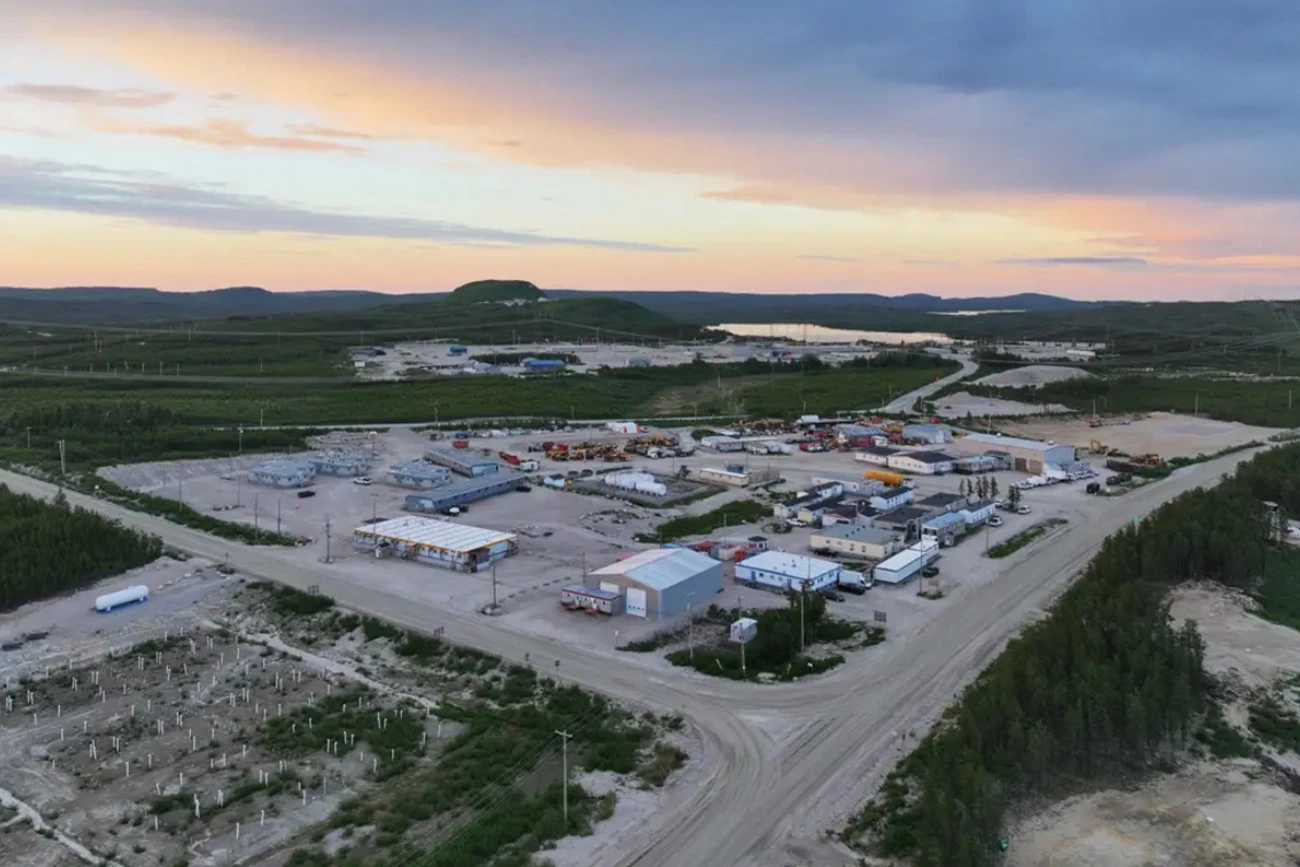
Canadian exploration company Power Metallic has reported results from its deepest intersection to date at the Lion Zone, carried out in the wake of successful exploration activities last year. The 2024 discovery of the zone, 5.5 kilometres away from the Nisk Main Zone, has shifted the company’s focus towards what could prove a game-changing discovery.

August 25 - 2025
A study from a team of chemists working at McGill University in Montreal, Canada has proposed a new method for synthesising palladium catalysts using electrochemical potential, supporting both oxidative addition and reductive elimination with two-electron exchange in mild temperature and pressure conditions.
August 05 - 2025
A team of functional materials researchers in China developed a copper–palladium catalyst that has been shown to improve catalytic activity and selectivity in the electrochemical nitrate reduction reaction (NO3RR), leading to improved ammonia yields. Scaling this process could significantly reduce the energy and environmental burden of the ammonia industry as a whole.
July 21 - 2025
Zhe Gong et al. from the China University of Geosciences and Zhiping Deng and Xiaolei Wang from the University of Alberta (Canada) have developed a highly efficient palladium catalyst that could support the large-scale rollout of hydrogen fuel cells. The catalyst was designed by doping palladium with cobalt producing atomic cobalt (Co)-doped Pd metallene (Co-Pdene), and demonstrated exceptional electrocatalytic performance while maintaining its structural integrity.

July 11 - 2025
A team of researchers at the University of Milan has developed a new method to speed up the hydrogenation and dehydrogenation of magnesium nanoparticles that could significantly improve the efficiency of hydrogen storage and support easier scaling up the technology.