


Southern Palladium completes Pre-Feasibility Study at Bengwenyama, eyes mining operations
Published March 03 - 2025
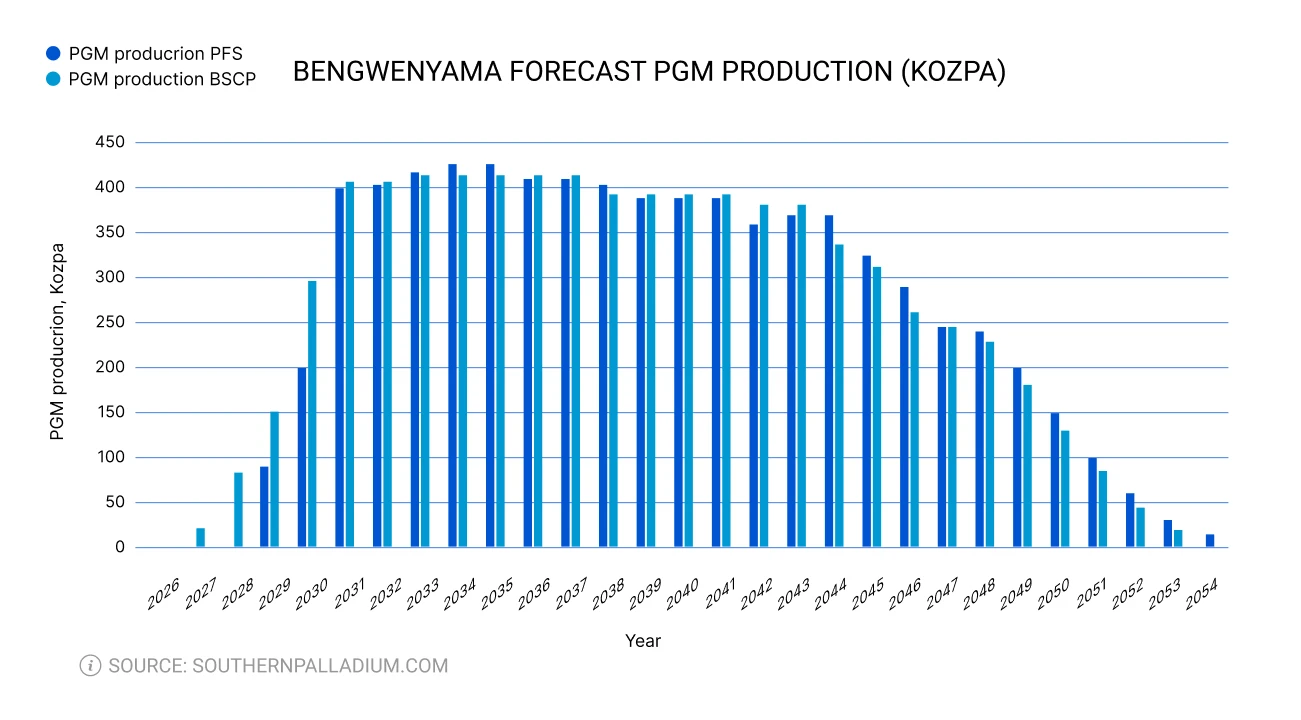
Southern Palladium has announced the completion of a Pre-Feasibility Study (PFS) on the Bengwenyama platinum group metals (PGM) project, marking the end of a successful two-year drilling exploration programme and representing a major step in the transition from exploration to mine development. The new production will deliver several critical metals in the clean energy transition, such as palladium, rhodium and platinum.
The latest development follows the submission of a Mining Right Application to the South African Department of Mineral Resources and Energy in late 2023 and a subsequent Environmental Impact Assessment (EIA) initiated last July. Mining rights are expected to be issued by the local authorities in the coming months. The applications provide for operations at the Nooitverwacht 324 KT and Eerstegeluk 327 KT farms, which are located adjacent to each other in Limpopo Province and cover an area of 5,280 hectares. The scope of the application outlines the mining of PGMs, gold, copper, chrome, cobalt, silver and nickel.

The Pre-Feasibility Study delivered a substantial mineral resource estimate of 40.25 Moz. These figures represent a 60% increase on late 2023 estimates of 25.11 Moz. The project is well primed from an economic standpoint thanks to its low-cost structure, suggesting a positive outlook for future funding and development.
Founded in 2020, Southern Palladium is a PGM company headquartered in Sydney, Australia. Its primary holding is a 70% share in the Bengwenyama project, owned through an equal interest in Miracle Upon Miracle Investments (MUM), which holds the entire exploration tenement. Bengwenyama is a palladium and rhodium-dominated project on the Eastern Limb of the Bushveld Igneous Complex, which is the largest layered igneous intrusion within the earth’s crust. The complex is home to some of the richest ore deposits on earth, including the world’s largest reserves of PGMs, representing 70% of all known resources. Southern Palladium is listed on both the Australian Securities Exchange (ASX) and the Johannesburg Stock Exchange (JSE).
Recent News
October 09 - 2025
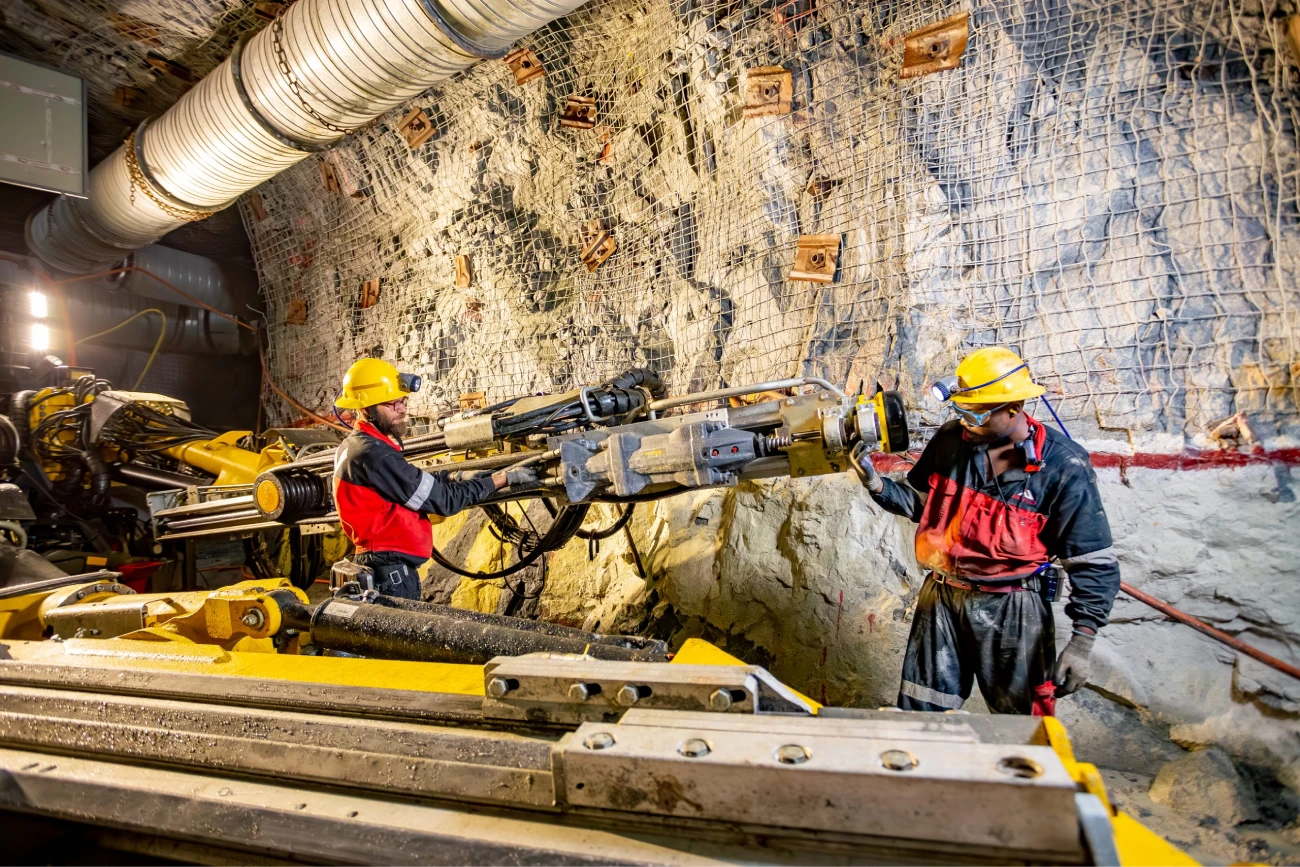
Ivanhoe Mines, a Canadian mining and exploration company known for several high-profile discoveries, has driven underground development into the high-grade Platreef orebody for the first time. The company’s Executive Co-Chair Robert Friedland and President and Chief Executive Officer Marna Cloete detailed the breakthrough, with mining crews entering the orebody at the 850-metre level with the first blast of high-grade ore in early May.
September 24 - 2025
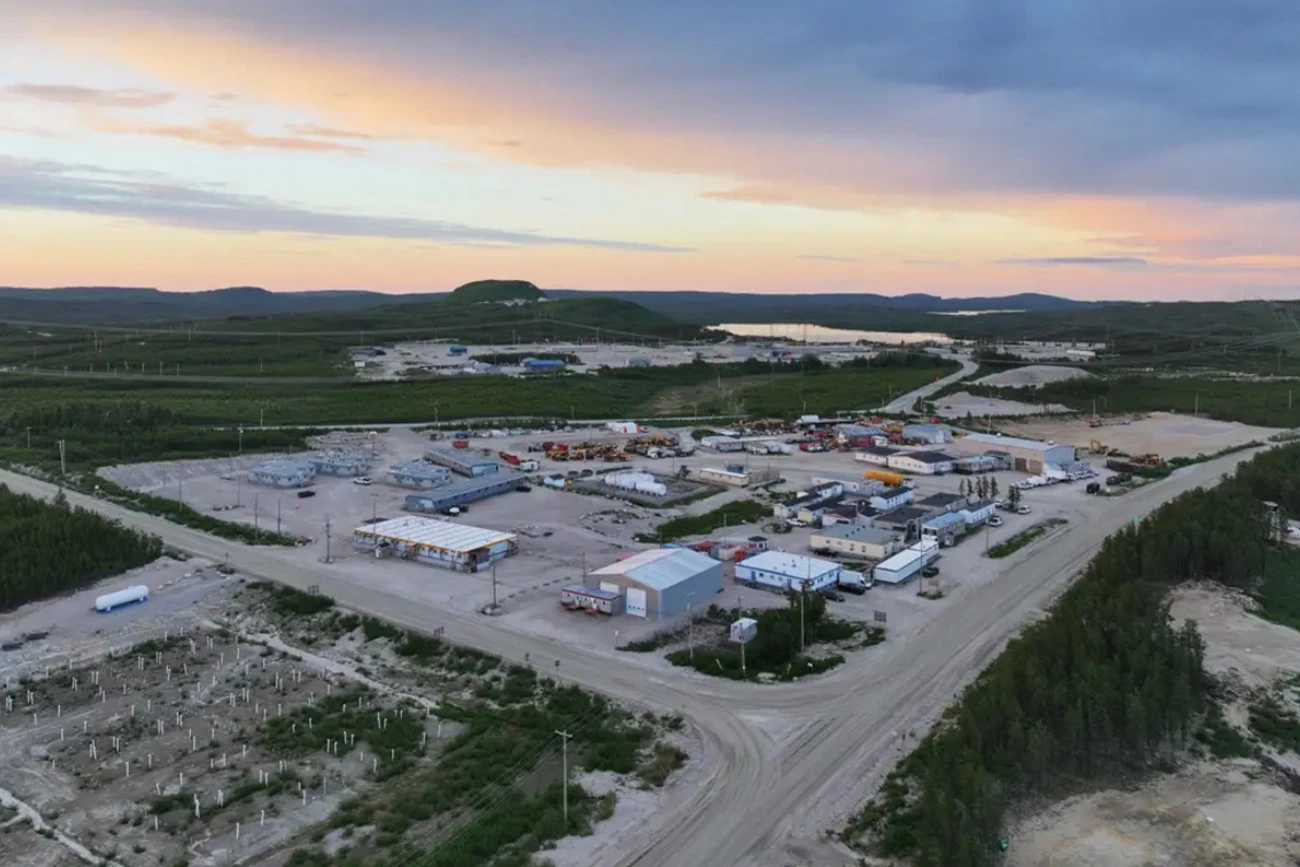
Canadian exploration company Power Metallic has reported results from its deepest intersection to date at the Lion Zone, carried out in the wake of successful exploration activities last year. The 2024 discovery of the zone, 5.5 kilometres away from the Nisk Main Zone, has shifted the company’s focus towards what could prove a game-changing discovery.
September 05 - 2025
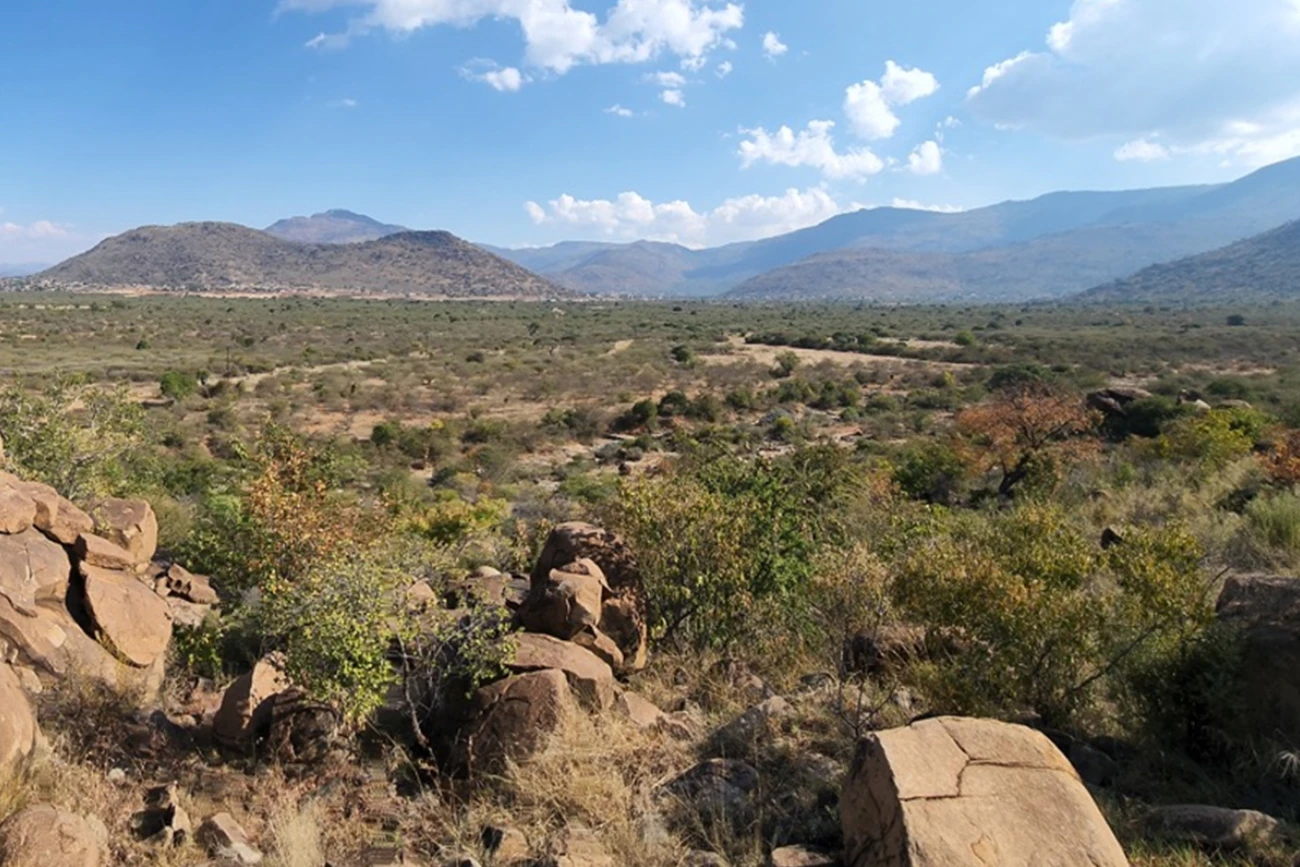
Australian mining company Southern Palladium has received an environmental authorization (EA) on its flagship Tier 1 Bengwenyama project from South Africa’s Department of Mineral and Petroleum Resources (DMPR). The license outlines rights on underground mining and related infrastructural activities on the project, marking a key milestone towards development.

August 25 - 2025
A study from a team of chemists working at McGill University in Montreal, Canada has proposed a new method for synthesising palladium catalysts using electrochemical potential, supporting both oxidative addition and reductive elimination with two-electron exchange in mild temperature and pressure conditions.
August 05 - 2025
A team of functional materials researchers in China developed a copper–palladium catalyst that has been shown to improve catalytic activity and selectivity in the electrochemical nitrate reduction reaction (NO3RR), leading to improved ammonia yields. Scaling this process could significantly reduce the energy and environmental burden of the ammonia industry as a whole.

July 21 - 2025
Zhe Gong et al. from the China University of Geosciences and Zhiping Deng and Xiaolei Wang from the University of Alberta (Canada) have developed a highly efficient palladium catalyst that could support the large-scale rollout of hydrogen fuel cells. The catalyst was designed by doping palladium with cobalt producing atomic cobalt (Co)-doped Pd metallene (Co-Pdene), and demonstrated exceptional electrocatalytic performance while maintaining its structural integrity.