Palladium applications
Current applications
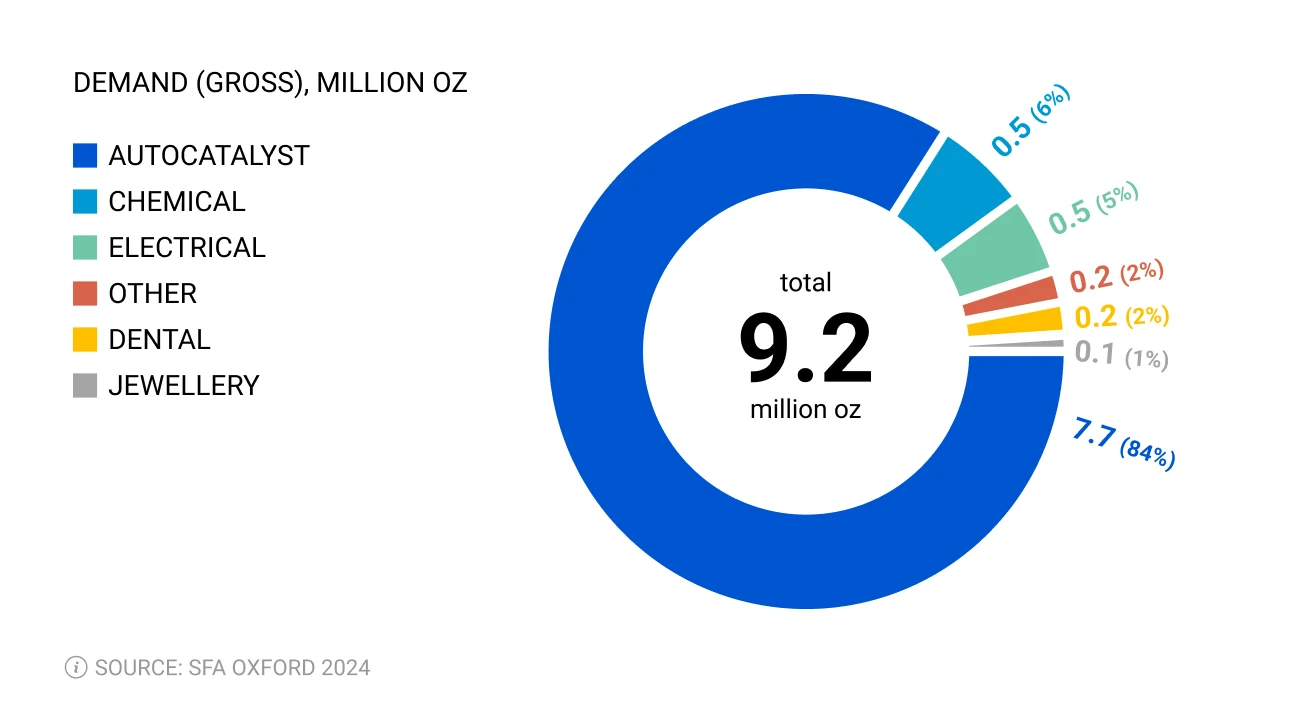
Palladium plays a vital role in a wide range of industries, thanks to its exceptional properties, price and production volume. Palladium has the largest market size among PGMs with total volume of 9.2 million oz in 2024.
Accounting for 7.7 million oz (84%), the automotive sector is a key component of catalytic converters, where it helps reduce harmful emissions from vehicles by converting pollutants into less toxic substances. This application alone accounts for a significant portion of global palladium demand. To find out more about technology and palladium impact see – Automotive.
In the electronics industry, with 0.5 million oz (5%), palladium is valued for its corrosion resistance and electrical conductivity. It is used in connectors, capacitors and conductive pastes, ensuring reliable performance in devices ranging from smartphones to advanced communication systems. To find out more about technology and palladium impact see – Electronics.
The chemical industry, with slightly more than 0.5 million oz (6%), also benefits from palladium’s catalytic properties, utilising it in hydrogenation, organic synthesis and petrochemical processes to produce essential chemicals and fuels. To find out more about technology and palladium impact see – Oil & chemistry and Renewable energy.
Palladium’s biocompatibility and durability make it indispensable in healthcare. It is used in dental alloys for crowns and bridges, as well as in biomedical devices like pacemaker electrodes. The dental industry accounts for 0.2 million oz (2%). To find out more about technology and palladium impact see – Health.
In the jewellery sector, with 0.1 million oz (1%), palladium is alloyed with gold to create white gold, a popular choice for its strength, hypoallergenic properties and contemporary aesthetic. To find out more about technology and palladium impact see – Jewellery.
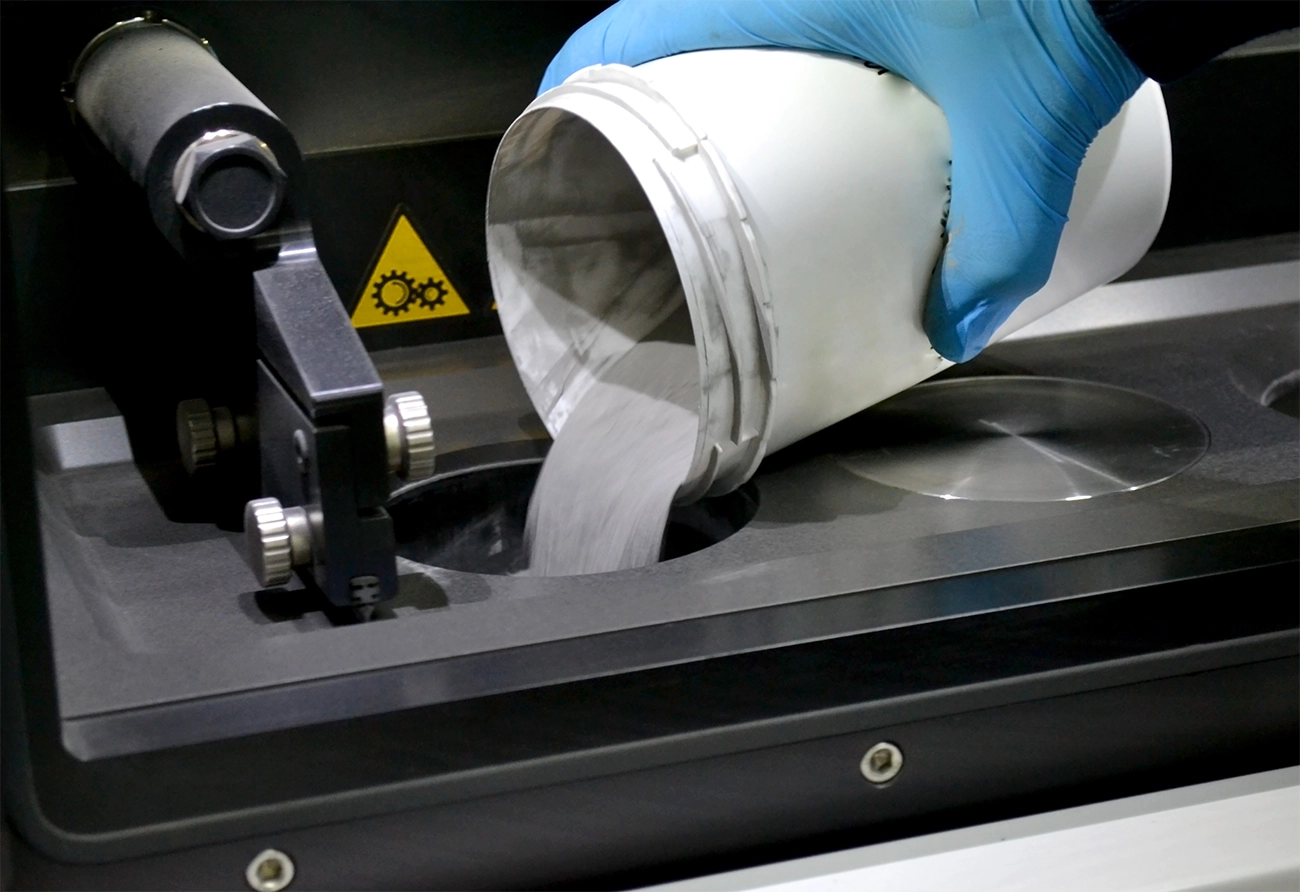
Beyond these well-known uses, palladium finds applications in specialised fields such as mirror coatings for lasers and medical devices, as well as in 3D printing powders to create precise, complex components. Overall, other industries account for 0.2 million oz (2%). To find out more about technology and palladium impact see – Other.
Future applications
Palladium is set to remain a critical material in existing industries, while holding significant potential in emerging fields.
Looking ahead, palladium is poised to play a transformative role in a number of cutting-edge technologies. Its strong catalytic properties, durability and unique characteristics make it a key enabler of increased production efficiency and scalability.
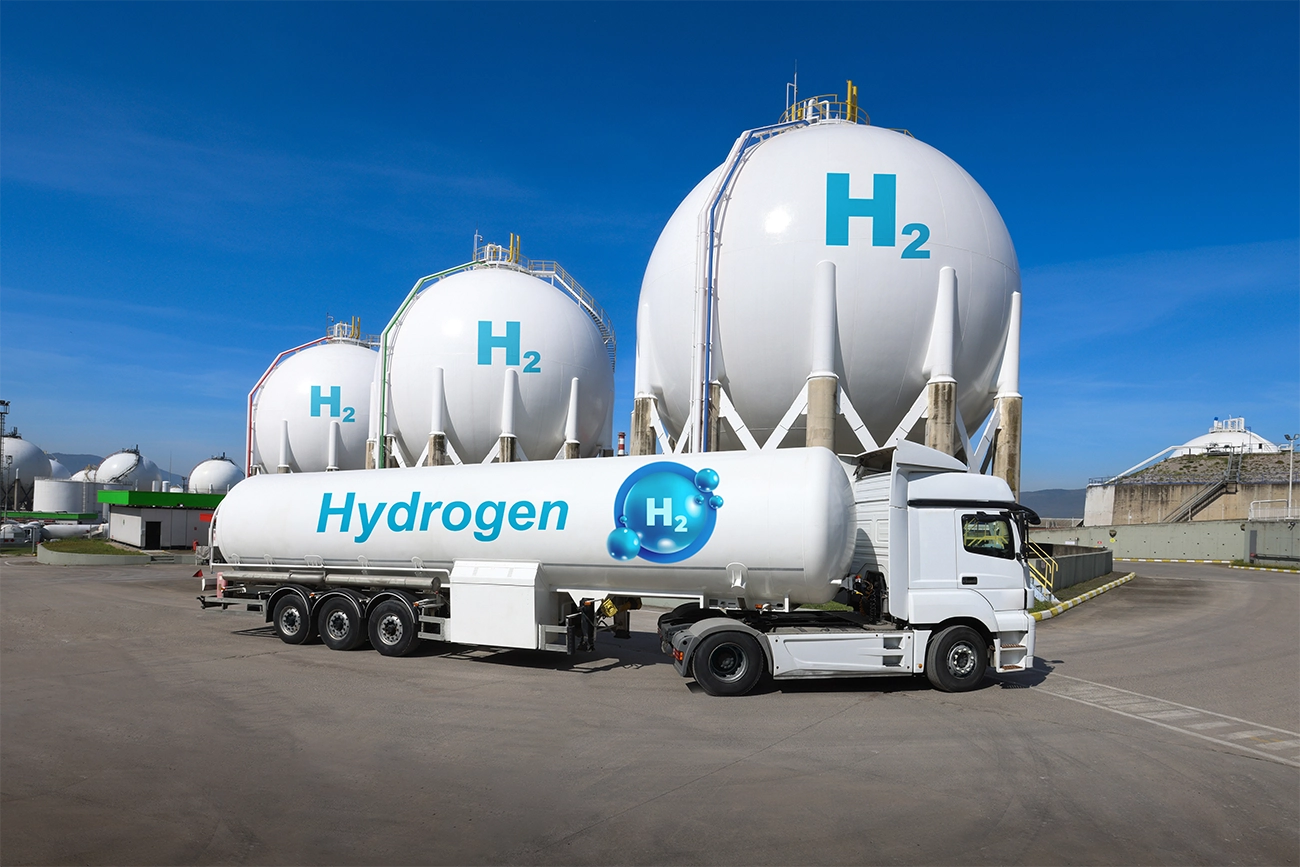
In a number of promising new areas of application for palladium, such as the hydrogen economy, glass fibre production, renewable energy and biofuel production, it is noted for its versatility and transformative potential.
Palladium’s capabilities are also driving innovation in cutting-edge areas such as spintronics, advanced electronics and 3D printing.