Electronics

Palladium’s physical and chemical properties make it a key material in modern electronics. Thanks to its high resistance to overheating and oxidation, palladium is indispensable in devices requiring strong reliability.

Palladium is commonly used in contact plating to extend the lifespan of electrical connections, as well as in the production of specialised components, such as multilayer ceramic capacitors (MLCCs) found in high-tech devices ranging from computers to communication systems.

Related content
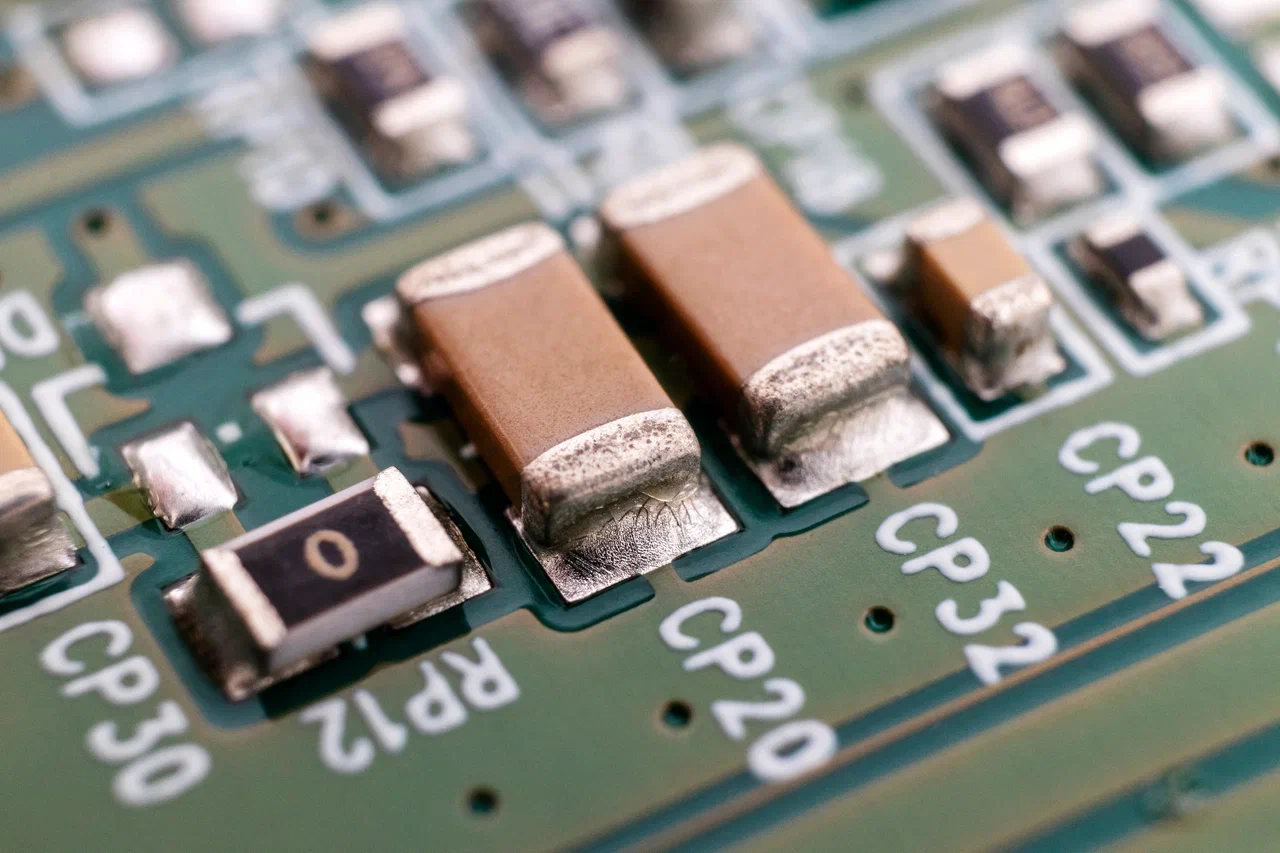
MLCC
MLCCs (Multilayer Ceramic Capacitors) are components used in modern electronic devices such as smartphones, laptops and electric vehicles. They provide high capacitance in a compact form and play a crucial role in controlling current, reducing noise and preventing circuit malfunctions. The use of palladium as an electrode enhances the reliability and stability of MLCCs under extreme conditions, such as high temperatures and voltages.
Find out more
MLCC
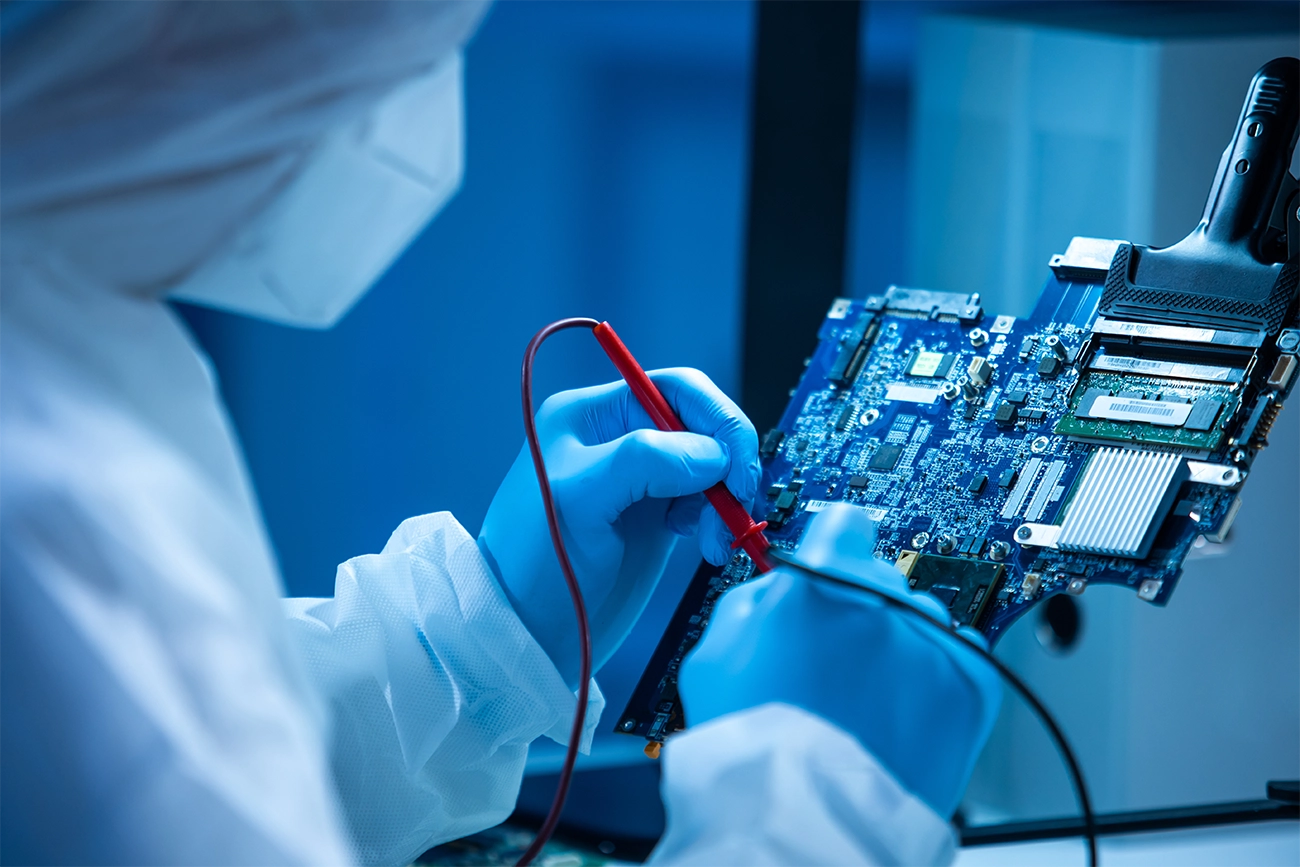
Connections in microelectronics
Connections in microelectronics are fundamental to the functioning of various devices and encompass components such as printed circuit boards (PCBs), lead frames and bonding wires. Palladium plays a vital role in enhancing the durability and performance of these connections, especially through its application in plating, resistive and conductive pastes, as well as coatings. Palladium’s exceptional properties, including its high electrical conductivity, resistance to corrosion and cost-effectiveness, make it deal for ensuring reliable electrical connections in challenging environments.
Find out more
Connections in microelectronics
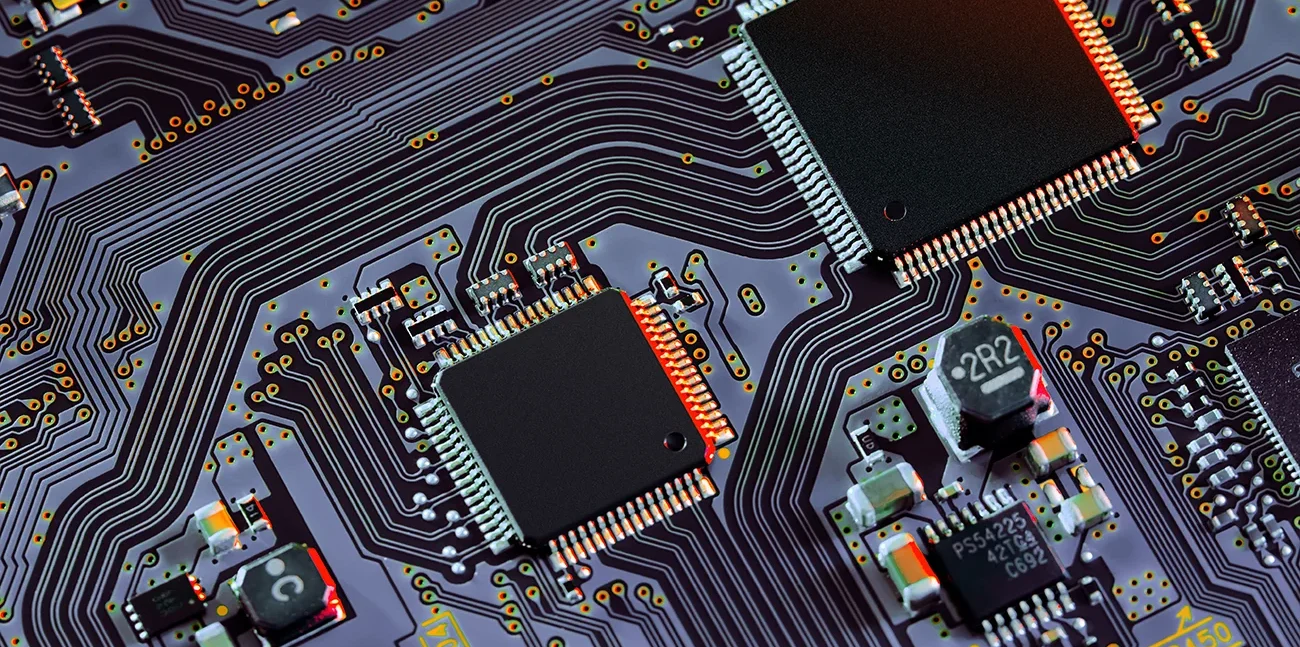
Spintronics
Spintronics leverages the spin and magnetic moments of electrons to create high-performance devices like MRAM and spinFETs. Palladium plays a key role due to its strong spin-orbit coupling, excellent conductivity and corrosion resistance. These properties make palladium ideal for advancing spintronic solutions, offering faster, more energy-efficient data storage and computation. As demand for high-performance memory grows, palladium-based spintronic technologies are poised to transform electronics.
Find out more
Spintronics
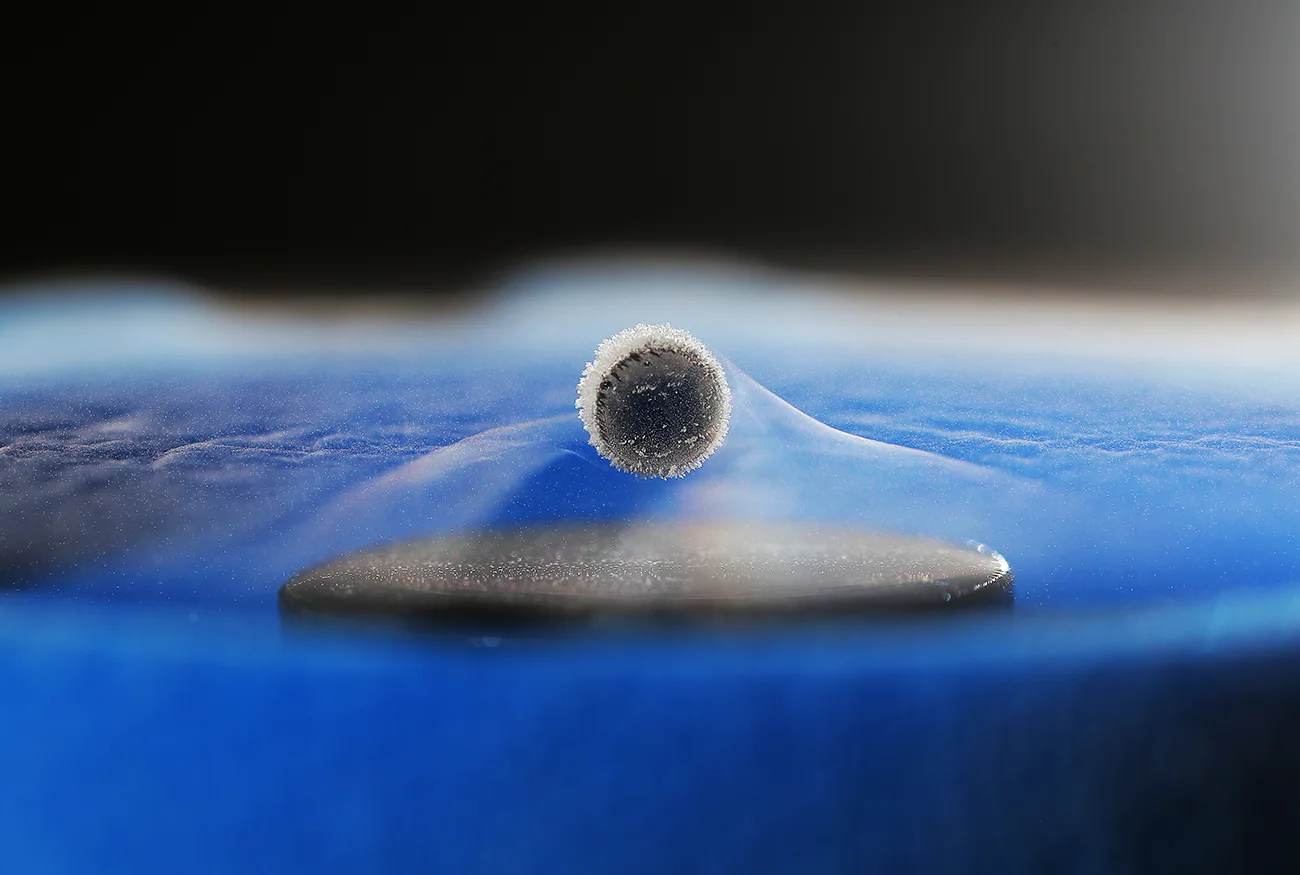
Superconductors
Superconductors are materials that, when cooled below a critical temperature, lose their electrical resistance and allow electric current to flow without energy loss. These materials have wide-ranging applications in industries such as energy transmission, transportation and advanced electronics. The superconductors market is expected to experience significant growth, particularly with advancements in high-temperature superconductors (HTS) and the potential development of room-temperature superconductors. Palladium-based compounds, such as palladates, show promise for high-temperature superconductivity, positioning palladium as a crucial material for future technologies in this field.
Find out more
Superconductors