Health
Palladium plays a significant role in the health sector, contributing to advancements in dentistry, biomedical devices, oncology and pharmaceuticals.
Its unique properties, such as corrosion resistance, biological inertness, and catalytic capabilities, make it an essential material in these fields.
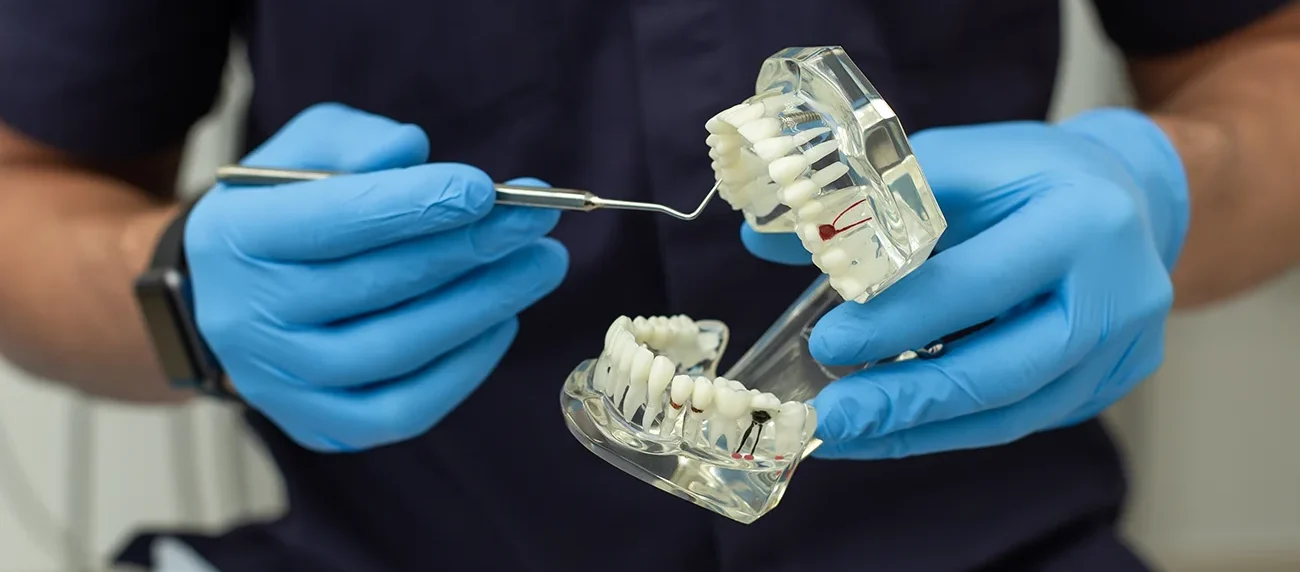
In dentistry, palladium is valued for its strength and hypoallergenic nature, enhancing the durability of dental implants and prosthetics.
In pharmaceuticals, palladium is crucial for synthesising complex organic compounds, facilitating the development of drugs with improved efficacy and safety profiles.
This versatility underscores palladium’s potential to improve health outcomes across diverse medical applications.
Related content
Dentistry
Palladium is a crucial material in modern dentistry, often used in alloys with gold and platinum to enhance strength and durability for prosthetics. While gold has historically been preferred for its biocompatibility and corrosion resistance, its malleability can lead to wear over time. Palladium improves the hardness, tensile strength and durability of dental alloys, making them ideal for implants, crown and bridges. It is also valued for its antibacterial properties and hypoallergenic nature, ensuring safe integration into the patient’s body. Advances in dental technology now allow palladium-based alloys to match the natural colour of teeth, providing both strength and aesthetic appeal.
Find out more 
Biomedical devices
Platinum is currently used for pacemaker electrodes due to its biocompatibility and conductivity, but research is exploring alternatives to improve performance. The biomedical device market, particularly pacemakers, is growing due to an ageing population, rising cardiac disorder and technological advancements. Platinum electrodes, however, have limitation, such as high cost and potential allergic reactions. Palladium, with similar properties but lower density, offers a cost-effective alternative without sacrificing effectiveness.
Find out more
Oncology
Palladium is utilised in cancer treatment to activate drug molecules within cancer cells, often by attaching to nanozymes. It demonstrates strong anticancer activity with low toxicity, positioning it as a promising alternative to platinum-based therapies. In mouse models, palladium compounds have effectively treated breast cancer with reduced liver damage. These compounds exhibit greater selectivity for tumours and lower toxicity than their platinum counterparts. However, palladium compounds tend to break down quickly, though stable variants have been developed for prolonged effects.
Find out more
Pharmaceuticals
Palladium plays a key role in pharmaceutical synthesis, catalysing essential reactions for anticancer drugs like Imatinib and tamoxifen. Its catalytic properties also support targeted drug delivery, enabling precise functionalisation on cancer cell surfaces. Additionally, palladium-based compounds demonstrate antibacterial activity by inhibiting key enzymes and damaging bacterial DNA.
Find out more