


Other catalysts
Palladium is widely recognised as a selective and highly effective catalyst in both research and industrial applications of synthetic chemistry. It plays a key role in the production of acetylene, pharmaceutical products, sulphuric and nitric acids, fertilisers, explosives, caustic soda, chlorine, and other organic synthesis products.
Palladium-based catalysts are particularly effective in reactions that oxidise alcohols, converting them into aldehydes or carboxylic acids. Molecular oxygen or peroxides are commonly used as oxidisers. Palladium’s selectivity makes it possible to precisely adjust reaction conditions and obtain the desired product while minimising the formation of byproducts. In addition, palladium catalysts can operate under mild conditions and lower temperatures, leading to shorter reaction times and lower energy consumption compared to other catalytic systems.
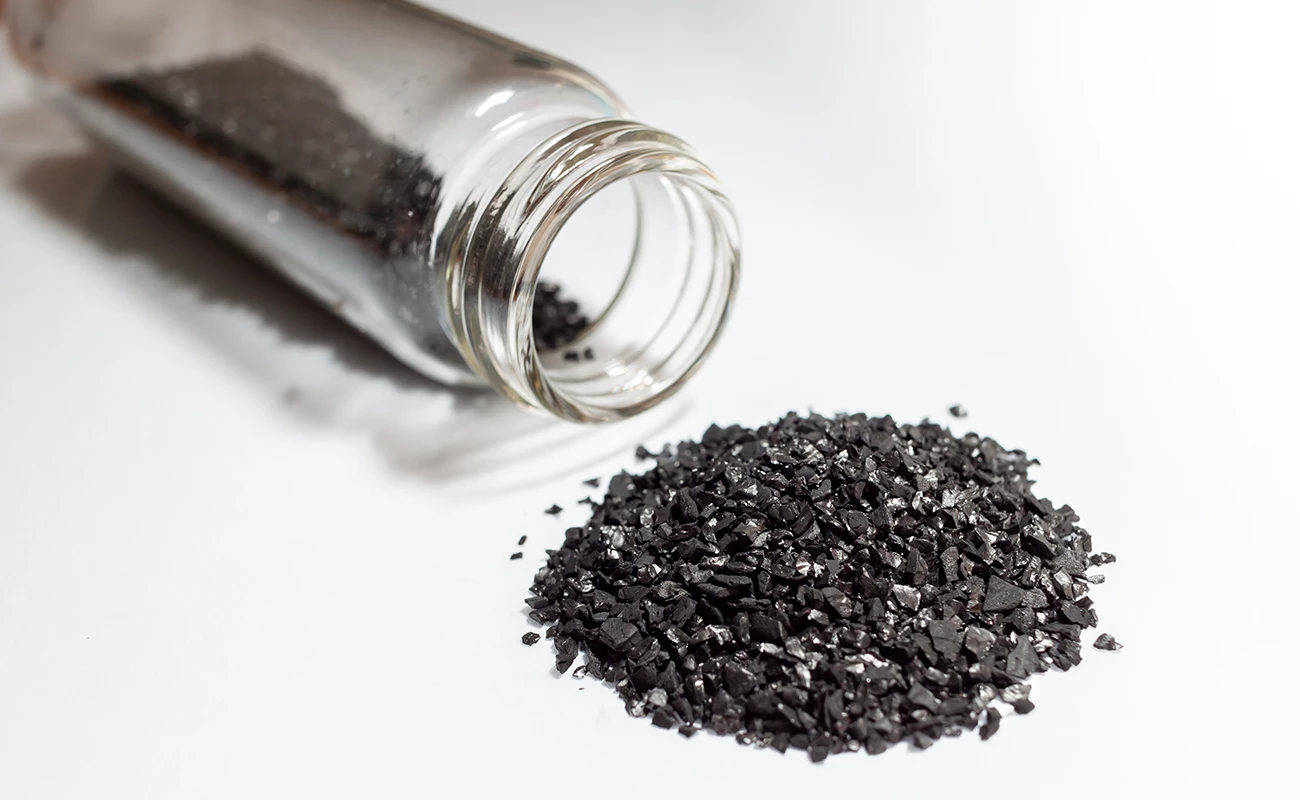
These catalysts work with a range of alcohols, including primary types (e.g. ethanol, butanol) and secondary types (e.g. isopropanol). Oxidation of alcohols yields valuable intermediates, such as formaldehyde and acetic aldehyde, which are used in the production of perfumes, plastics, pharmaceuticals and other synthetic products.
Palladium catalysts are also instrumental in the production of nitrogenous fertilisers. This process begins with a nitrogen-hydrogen mixture derived from air and methane. The reaction occurs under pressure and elevated temperatures, with iron foam serving as an auxiliary catalyst to produce ammonia. Heated ammonia is then oxidised in reactors containing platinum- or palladium-based catalysts (often alloyed with gold or nickel). The resulting product, nitric acid, is a critical component for fertiliser manufacturing.
The efficiency of ammonia conversion is improved when the catalyst pack contains palladium. Palladium additions in acid synthesis catalysts based on platinum are mainly effective for two reasons: firstly, it is a good oxidation catalyst that ensures the efficient course of the reaction under more favourable conditions; and secondly, palladium significantly reduces the loss of platinum during the operation of the mesh forms of the catalyst.
In the food industry, palladium’s catalytic properties are used for fat hydrogenation. This process transforms liquid vegetable oils, such as soybean or sunflower oil, into solid fats like margarine or spreads. These fats like are valued for their improved texture, stability and resistance to spoilage. During the reaction, hydrogen atoms are added to unsaturated hydrocarbons. Palladium accelerates this process under milder conditions than other metallic catalysts, improving energy efficiency and preserving fat quality.
To find out more about the catalytic qualities of palladium, see – Chemistry.
To find out more about palladium catalyst efficiency, see the following scientific publications:
- Ouyang, L., & Wu, W. (2017). Recent advances in palladium-catalyzed reactions involving molecular oxygen. Current Opinion in Green and Sustainable Chemistry, 7, 46-55. DOI: https://doi.org/10.1002/ejoc.202201016.
- Xin, L., Yongqiang, H., & Husheng, J. (2017). Pt-Rh-Pd alloy group gauze catalysts used for ammonia oxidation. Rare Metal Materials and Engineering, 46(2), 339-343. DOI: https://doi.org/10.1016/S1875-5372(17)30091-7.
- Laverdura, U. P., Rossi, L., Ferella, F., Courson, C., Zarli, A., Alhajyoussef, R., & Gallucci, K. (2020). Selective catalytic hydrogenation of vegetable oils on lindlar catalyst. ACS omega, 5(36), 22901-22913. DOI: https://doi.org/10.1021/acsomega.0c02280.