


Petrochemistry
Current technology
Petrochemistry is a general term for methods of processing hydrocarbons and other components of oil and natural gas, creating optimal processes for obtaining high-tonnage organic compounds.
The most recognisable and large-scale processes within petrochemistry are the production of ethylene and butane isomerisation.
Ethylene is one of the most important chemicals in the world, with global production exceeding 180 million tonnes annually. It is used as a raw material in the manufacture of plastics such as polyethylene (PE), polyvinyl chloride (PVC), polystyrene (PS) and other polymers. These plastics are used in the production of bags, pipes, window frames, insulation and more. Furthermore, ethylene is used to produce ethylene oxide, which in turn is used to make ethylene glycol and other chemicals. Ethylene is also used in the production of vinyl chloride, styrene and other important monomers. A portion of the ethylene is directed towards the production of high-octane gasoline and other types of fuel, ethylene amines (components of fertilisers), synthetic rubbers, solvents, and other products.
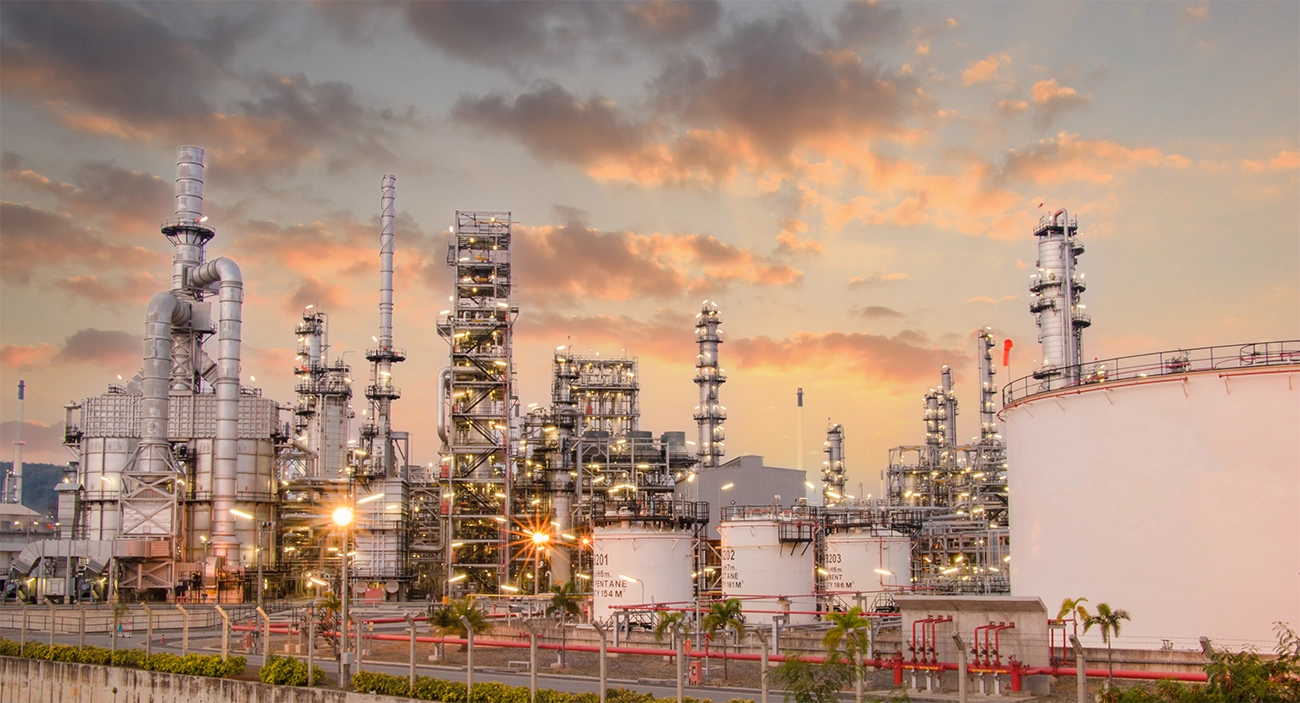
Ethane dehydrogenation is typically carried out at high temperatures (700–900 °C) in the presence of specialised catalysts. Nickel, platinum and palladium can serve as active components of these catalysts, supported on materials such as alumina or zeolites.
Ethylene hydrogenation is usually carried out at temperatures ranging from 100–300 °C in the presence of a catalyst. Metals such as nickel, palladium and platinum or their oxides are commonly used as catalysts.
Another important petrochemical reaction, in which palladium is used as an auxiliary component of the catalysts, is butane isomerisation. This is a chemical process in which normal butane is converted to isobutane.
Isobutane is a valuable component of gasoline, as it increases its octane number. It is also used as a refrigerant in cooling systems and air conditioners. Isobutane is frequently used as a propellant in aerosol packaging, including for deodorants and cosmetics. In addition, isobutane serves as a raw material for the production of various chemicals, including isobutylene, which is needed for the synthesis of polymers and other chemicals.
Butane isomerisation is typically carried out at temperatures ranging from 100–200 °C in the presence of a palladium-containing catalyst. The reaction is reversible, meaning it can proceed in both the forward and reverse directions.
Market
The ethylene market has experienced significant growth over the past few decades, driven by increasing demand from various end-use industries, particularly in packaging, the automotive industry and construction. Ethylene’s versatility as a building block for numerous chemicals has made it a focal point in the petrochemical sector.
This growth is fuelled by advances in production technologies and the expansion of ethylene production facilities, particularly in regions such as Asia-Pacific and North America, where major investments are being made to enhance capacity and efficiency.
The market for butane isomerisation has also shown promising growth, primarily driven by the increasing demand for high-octane gasoline and the need for efficient fuel formulations. As environmental regulations tighten and consumers seek cleaner fuels, isobutane’s role as an octane booster is becoming increasingly vital.
Technological advances in catalyst development and process optimisation are key factors contributing to this growth.
Challenges of current technology
Petrochemical processes, particularly ethylene production and butane isomerisation, face several challenges primarily related to the efficiency and sustainability of current catalysts.
The catalysts currently used in ethylene production, such as nickel, often suffer from low activity and selectivity, leading to byproducts that complicate the purification process. This inefficiency can result in higher operational costs and lower yields of desired products.
Many conventional catalysts are sensitive to temperature fluctuations. For instance, reactions conducted at high temperatures (700–900 °C for ethane dehydrogenation) can lead to catalyst deactivation, reducing lifespan and effectiveness.
Positive impact of palladium
Palladium’s unique properties, chiefly its ability to absorb hydrogen and catalyse a range of important chemical reactions, have a profoundly positive impact on the petrochemical industry. Its ability to enhance chemical reactions not only increases efficiency but also contributes to reducing energy consumption in critical processes.
For instance, in ethylene production, palladium is instrumental in the dehydrogenation of ethane, a critical process for obtaining ethylene. Palladium’s catalytic efficiency reduces the energy required for this process, making it more cost-effective and environmentally friendly. Additionally, palladium is used in selective hydrogenation reactions, such as the hydrogenation of one double bond in diene hydrocarbon molecules. This process is necessary to obtain hydrocarbons with a high octane number and greater chemical stability during storage.
In petrochemicals, palladium-based catalysts are increasingly valued for their ability to undergo multiple cycles of use without losing activity.
To find out more about the catalytic qualities of palladium, see – Chemistry.
To find out more about palladium catalysts, see the following scientific publications:
- Zhao, X., Chang, Y., Chen, W. J., Wu, Q., Pan, X., Chen, K., & Weng, B. (2021). Recent progress in Pd-based nanocatalysts for selective hydrogenation. ACS omega, 7(1), 17-31. DOI: https://doi.org/10.1021/acsomega.1c06244
- Purdy, S. C., Seemakurthi, R. R., Mitchell, G. M., Davidson, M., Lauderback, B. A., Deshpande, S., … & Miller, J. T. (2020). Structural trends in the dehydrogenation selectivity of palladium alloys. Chemical Science, 11(19), 5066-5081. DOI: https://doi.org/10.1039/D0SC00875C
- Khalaf, Y. H., Sherhan, B. Y., Shakor, Z. M., & Al-Sheikh, F. (2023). Bimetallic catalysts for isomerization of alkanes (A Review). Petroleum Chemistry, 63(7), 829-843. DOI: https://doi.org/10.1134/S0965544123050079
- Wu, Z., Wegener, E. C., Tseng, H. T., Gallagher, J. R., Harris, J. W., Diaz, R. E., … & Miller, J. T. (2016). Pd–In intermetallic alloy nanoparticles: highly selective ethane dehydrogenation catalysts. Catalysis Science & Technology, 6(18), 6965-6976. DOI: https://doi.org/10.1039/C6CY00491A