Renewable energy

The global shift to clean energy presents new opportunities for palladium. It plays an essential role in the hydrogen energy sector, where it is used for hydrogen storage, purification and production via processes such as water electrolysis.

Furthermore, palladium is utilised in biofuel production and holds significant potential for use in solar energy technologies.

Related content
Hydrogen fuel cells
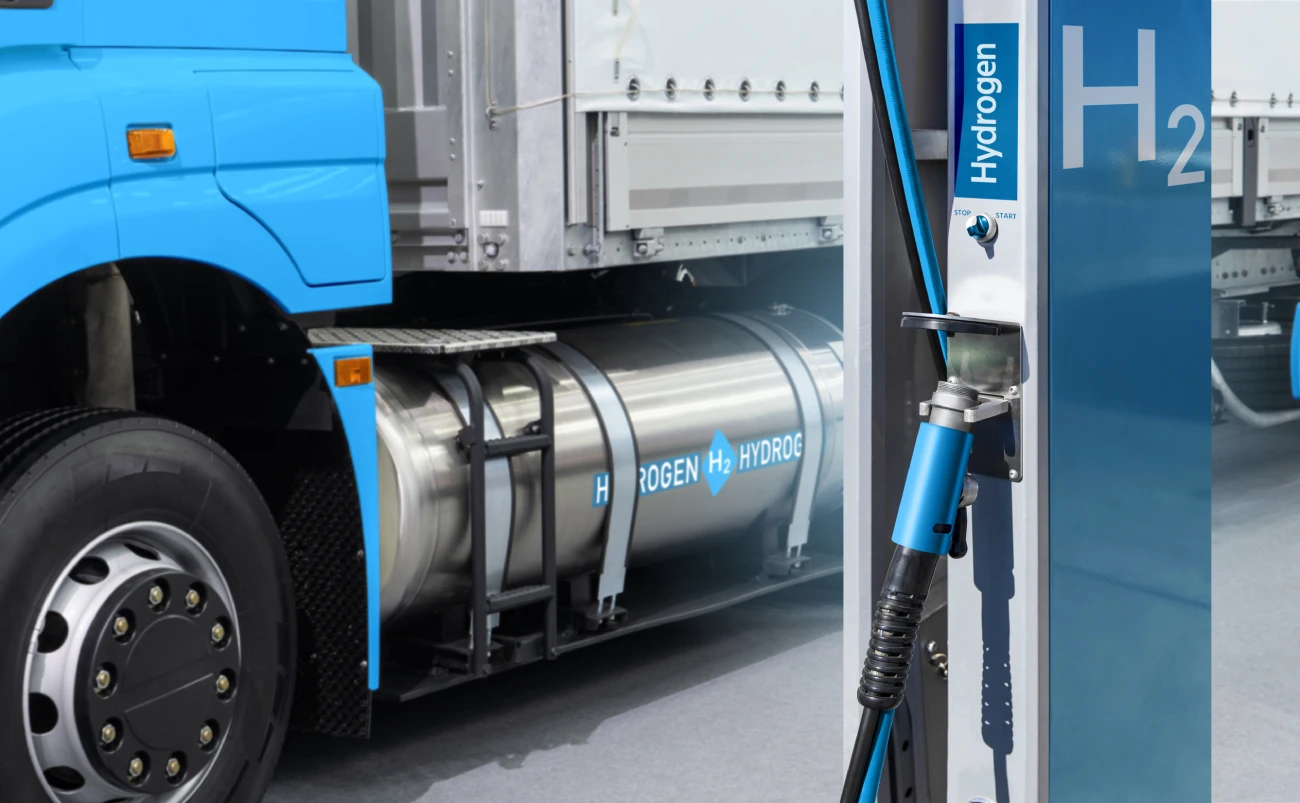
Hydrogen fuel cells, particularly proton exchange membrane fuel cells (PEMFCs), efficiently convert hydrogen into electricity. Palladium-based catalysts enhance their performance, addressing key challenges of electric vehicles, such as weight, limited range and slow charging. These fuel cells are promising for long-distance transport like truck, trains and aircraft. Despite infrastructure and storage challenges, the market for hydrogen fuel cells is expected to grow significantly by 2030. Palladium’s role as an electrocatalyst in fuel cells continues to improve, showing excellent performance in early tests.
Find out more
Hydrogen fuel cells
Hydrogen electrolysers
Hydrogen electrolysis produces green hydrogen using methods like alkaline water electrolysis (AWE) and proton exchange membrane electrolysis (PEMWE). Emerging technologies like anion exchange membrane (AEM) electrolysis aim to reduce cost. Hydrogen production is growing, with significant increases expects by 2030. Challenges include corrosion in AWE and high iridium costs in PEMWE. Palladium improves efficiency, reduces energy use, enhance catalyst durability and ensures safer hydrogen storage, making it essential for advancing electrolyser technologies.
Find out more
Hydrogen electrolysers
Solar energy
Solar energy is growing rapidly, with photovoltaic (PV) systems divided into three generations: first-generation silicon-based cells, second-generation thin films and third-generation experimental technologies. First-generation technologies like TOPCon and HJT are improving efficiency, but challenges remain, including brittle coatings. Palladium, especially in the form of palladium diselenide (PdSe2), enhance solar cell performance by improving light absorption and charge mobility. While costly, palladium’s efficiency, environmental benefits and ability to replace brittle materials like ITO in flexible panels make it a promising option for future solar technologies.
Find out more
Solar energy
Biofuel
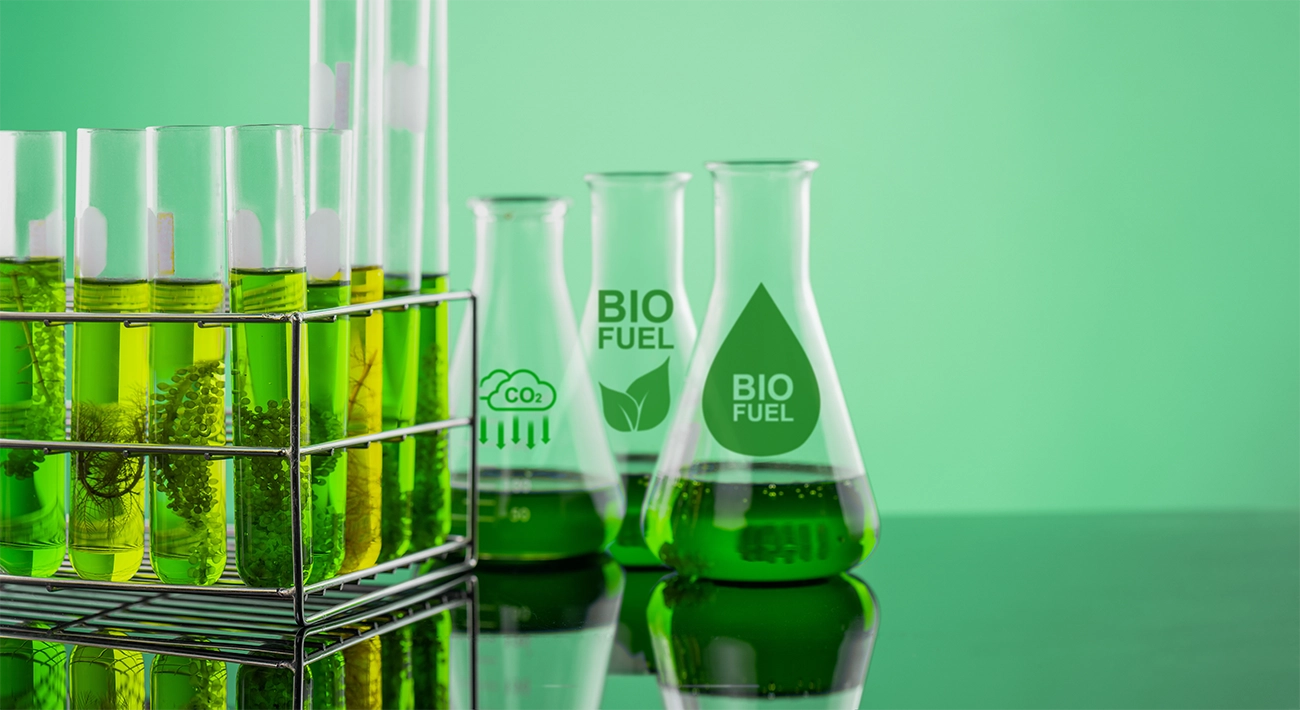
Biofuels are classified by state (solid, liquid, gaseous) and raw materials (crops, lignocellulose and microorganisms). Hydroprocessing is key for biofuel production, improving fuel quality. The biofuel market is growing, with liquid biofuels expected to reach 49.2 million tonnes by 2030. Palladium-based catalysts improve yield and fuel quality, addressing key production challenges.
Find out more
Biofuel